

Comprehensive Sign Installation Process and Site Preparation Guide for Atlanta Businesses
The sign installation process is a critical aspect of establishing a business’s visual identity and ensuring effective communication with customers. This guide delves into the essential steps involved in the sign installation process and the necessary site preparation required for successful implementation. Readers will learn about the various stages of installation, the importance of site evaluation, and how to prepare effectively for outdoor signage. Many businesses face challenges in navigating the complexities of sign installation, from compliance with local regulations to ensuring optimal visibility. This article aims to provide a comprehensive overview of the sign installation process, including timelines, best practices, and the benefits of hiring professional services. Key sections will cover essential steps, site evaluation, installation timelines, and the advantages of working with experienced contractors.
Sign Installation Process and Site Preparation for Atlanta Businesses
The commercial sign installation process involves several key steps that ensure a successful outcome. Initially, businesses must define their branding goals, which guide the selection of appropriate signage types. This is followed by consulting with professionals who can provide insights into design and installation requirements. The process typically includes:
- Defining Branding Goals: Establishing what message the sign should convey and how it aligns with the overall brand identity.
- Choosing Signage Types: Selecting from various options such as illuminated signs, banners, or digital displays based on visibility and location.
- Consulting with Professionals: Engaging with experienced sign installation companies to ensure compliance with local regulations and effective design.
These steps lay the foundation for a successful sign installation, ensuring that the final product effectively communicates the intended message.
How Does Site Evaluation Influence Sign Installation Success?
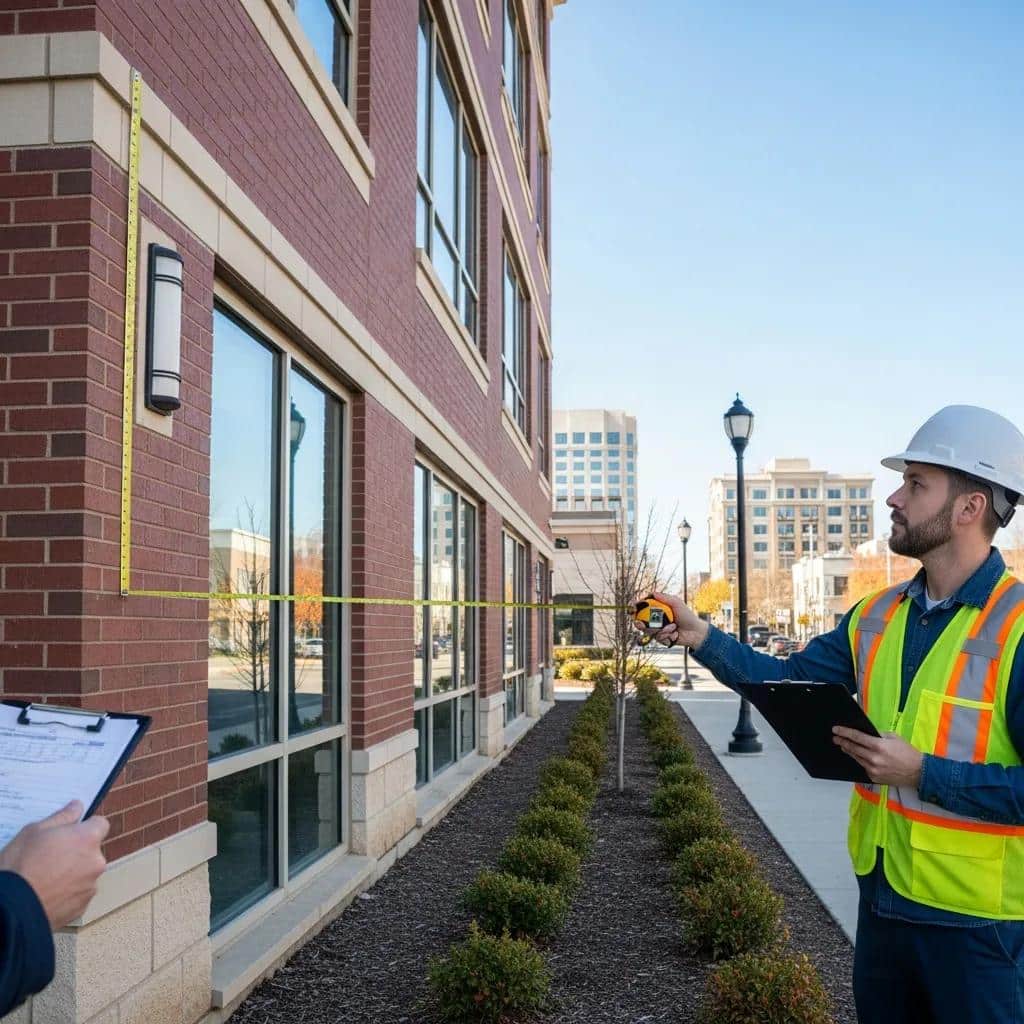
Site evaluation plays a crucial role in the success of sign installation. It involves assessing the location’s visibility, accessibility, and environmental factors that may impact the sign’s effectiveness. Key considerations during site evaluation include:
- Visibility and Accessibility: Ensuring the sign is easily seen by potential customers and accessible for installation and maintenance.
- Environmental Considerations: Analyzing factors such as lighting, surrounding structures, and landscaping that may affect the sign’s visibility.
- Regulatory Compliance: Understanding local zoning laws and regulations that dictate sign placement and size.
A thorough site evaluation helps identify potential challenges and opportunities, ultimately contributing to a more effective sign installation.
What Are the Key Installation Steps from Preparation to Final Inspection?
The installation process consists of several critical phases, each contributing to the overall success of the project. These steps include:
- Preparation Phase: This involves obtaining necessary permits and ensuring the site is ready for installation.
- Design Phase: Finalizing the sign design and materials based on the initial consultation and site evaluation.
- Installation and Final Inspection: Executing the installation process and conducting a thorough inspection to ensure everything meets quality standards.
This structured approach ensures that each phase is completed efficiently, leading to a successful sign installation.
How to Prepare Your Site Effectively for Outdoor Signage Installation?
Effective site preparation is essential for outdoor signage installation. This process includes several key actions:
- Conducting a Site Evaluation: Assessing the location for visibility and accessibility.
- Understanding Permitting Requirements: Researching local regulations to ensure compliance with zoning laws.
- Planning for Installation: Coordinating logistics, including scheduling and equipment needs.
Proper site preparation minimizes delays and ensures a smooth installation process.
What Does a Comprehensive Site Preparation Checklist Include?
A comprehensive site preparation checklist is vital for ensuring all necessary steps are taken before installation. Key items to include are:
- Understanding Local Regulations: Familiarizing yourself with zoning laws and sign codes.
- Obtaining Necessary Permits: Securing all required permits before installation begins.
- Fabrication Considerations: Ensuring that the sign materials are suitable for the environment and comply with regulations.
This checklist serves as a guide to ensure that all aspects of site preparation are addressed.
How Do Permitting and Compliance Impact Site Preparation in Atlanta?
Permitting and compliance are critical components of the site preparation process in Atlanta. Understanding local regulations is essential for avoiding potential fines and ensuring a smooth installation. Key impacts include:
- Understanding Local Regulations: Familiarizing yourself with the specific requirements for signage in your area.
- Obtaining Necessary Permits: Securing permits can be time-consuming, but it is crucial for legal compliance.
- Post-Installation Compliance: Ensuring that the installed sign continues to meet local regulations.
Navigating these requirements effectively can significantly impact the success of the sign installation process.
What Is the Typical Sign Installation Timeline and How to Manage Scheduling?
The typical sign installation timeline can vary based on several factors, including the complexity of the project and local regulations. Generally, the timeline includes:
- Initial Consultation: 1-2 weeks for discussions and planning.
- Design and Approval: 2-4 weeks for finalizing designs and obtaining permits.
- Installation: 1-3 days for the actual installation process.
Effective scheduling is crucial to minimize delays and ensure that the project stays on track.
How Long Does Each Phase of Sign Installation Usually Take?
Each phase of the sign installation process has its own timeline, which can vary based on project specifics. Typical durations include:
- Preparation Phase: 1-2 weeks for obtaining permits and preparing the site.
- Design Phase: 2-4 weeks for finalizing designs and materials.
- Installation Phase: 1-3 days for the physical installation of the sign.
Understanding these timelines helps businesses plan effectively and manage expectations.
What Are Best Practices for Scheduling to Minimize Project Delays?
To minimize project delays during the sign installation process, consider the following best practices:
- Effective Communication: Maintain open lines of communication with all stakeholders involved in the project.
- Timeline Management: Create a detailed project timeline that outlines each phase and its expected duration.
- Contingency Planning: Prepare for potential delays by having backup plans in place.
Implementing these practices can help ensure a smoother installation process.
Why Choose a Professional Sign Installation Contractor in Atlanta?

Hiring a professional sign installation contractor offers numerous benefits that can enhance the overall quality of the project. Key advantages include:
- Expertise and Quality Assurance: Professionals bring experience and knowledge that ensure high-quality installation.
- Compliance with Local Regulations: Experienced contractors are familiar with local laws and can navigate permitting processes efficiently.
- Maintenance Support: Many contractors offer ongoing maintenance services to ensure the sign remains in good condition.
Choosing a professional contractor can significantly improve the outcome of your sign installation project.
What Qualifications and Experience Should You Look For?
When selecting a sign installation contractor, consider the following qualifications:
- Certified and Insured Installers: Ensure that the contractor has the necessary certifications and insurance to protect against liabilities.
- Industry Experience: Look for contractors with a proven track record in sign installation.
- Proven Track Record: Request references or case studies to assess the contractor’s previous work.
These qualifications can help ensure that you choose a reliable and competent contractor for your project.
How Does Expert Installation Strengthen Your Brand Presence?
Expert installation of signage plays a vital role in strengthening a business’s brand presence. Key benefits include:
- Custom Designs Tailored to Business Needs: Professionals can create signage that aligns with your brand identity and messaging.
- Proper Installation: Ensures that the sign is securely mounted and positioned for maximum visibility.
- Reinforcing Brand Identity: High-quality signage enhances brand recognition and customer perception.
Investing in professional installation can lead to a more impactful and effective branding strategy.