Acrylic vs Metal Signs: Pros & Cons for Effective Business Branding
When it comes to choosing signage for your business, the material you select can significantly impact your branding and visibility. Acrylic and metal signs each offer unique advantages and disadvantages that can influence your decision. This article will delve into the pros and cons of both materials, helping you make an informed choice that aligns with your branding goals. We will explore key benefits, aesthetic enhancements, durability, weather resistance, cost comparisons, and maintenance requirements. By the end, you will have a clearer understanding of which sign material best fits your business needs.
Acrylic vs Metal Signs: Pros & Cons for Effective Business Branding
Understanding the key benefits of acrylic and metal signs is essential for making an informed decision. Each material has its unique strengths that cater to different business needs.
Acrylic Signs:
Acrylic signs are known for their lightweight nature and versatility. They offer several advantages, including:
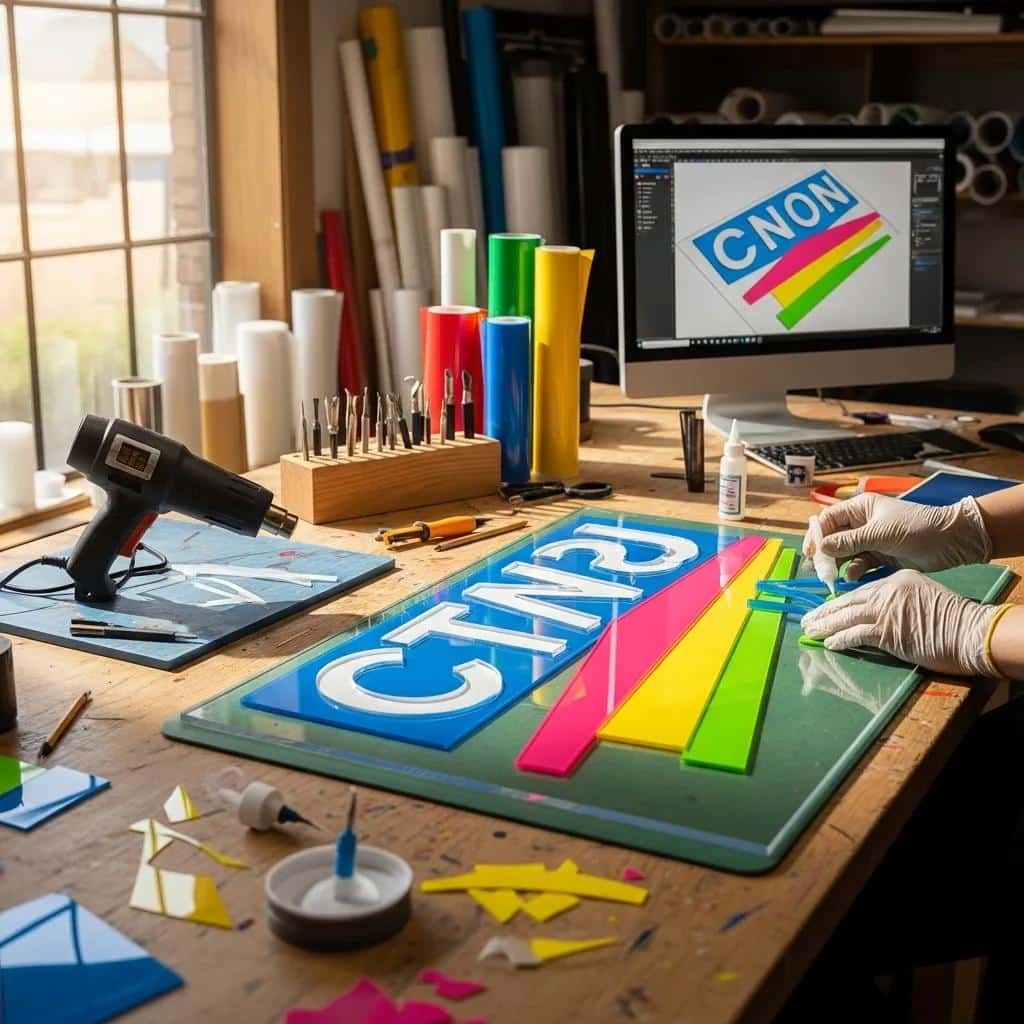
- Customization Options: Acrylic can be easily cut and shaped into various designs, allowing for creative freedom in branding.
- Cost-Effectiveness: Generally, acrylic signs are more affordable than metal options, making them a budget-friendly choice for many businesses.
- Lightweight and Easy to Install: Their lightweight nature makes installation straightforward, reducing labor costs.
Metal Signs:
Metal signs, on the other hand, provide a different set of benefits that can enhance your business’s image:
- Durability: Metal signs are highly durable and can withstand harsh weather conditions, making them ideal for outdoor use.
- Professional Appearance: The classic look of metal can convey a sense of professionalism and reliability, enhancing your brand’s image.
- Long-Lasting: With proper care, metal signs can last for many years, providing a good return on investment.
Aesthetic Enhancements:
The aesthetic appeal of your signage plays a crucial role in attracting customers. Both acrylic and metal signs offer distinct visual advantages.
Acrylic Signs:
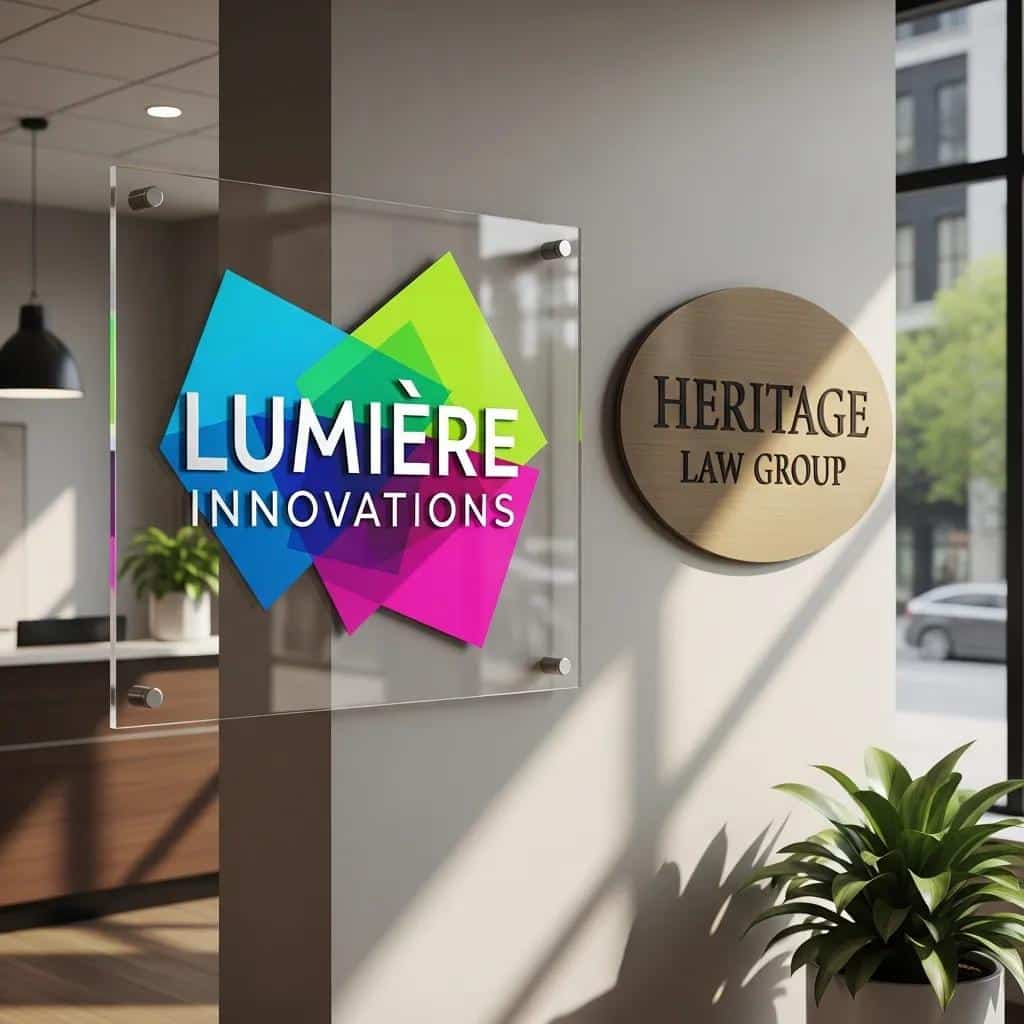
Acrylic signs are often favored for their modern look and design flexibility. They can be produced in various colors and finishes, allowing businesses to create eye-catching displays. Additionally, acrylic can be backlit, enhancing visibility and attracting attention, especially in low-light conditions.
Metal Signs:
Metal signs provide a timeless appeal that can enhance the branding of any business. They can be finished with various coatings, such as brushed or polished surfaces, which add to their aesthetic value. The robust nature of metal also allows for intricate designs that can stand out in any environment.
Acrylic vs Metal Signs: Pros & Cons for Effective Business Branding
Durability is a critical factor when selecting signage, especially for outdoor applications. Both acrylic and metal signs have their strengths and weaknesses in this area.
Acrylic Signs:
While acrylic signs are generally durable, they can be prone to scratching and may yellow over time when exposed to UV light. Regular maintenance can help mitigate these issues, but they may not be the best choice for high-traffic areas.
Metal Signs:
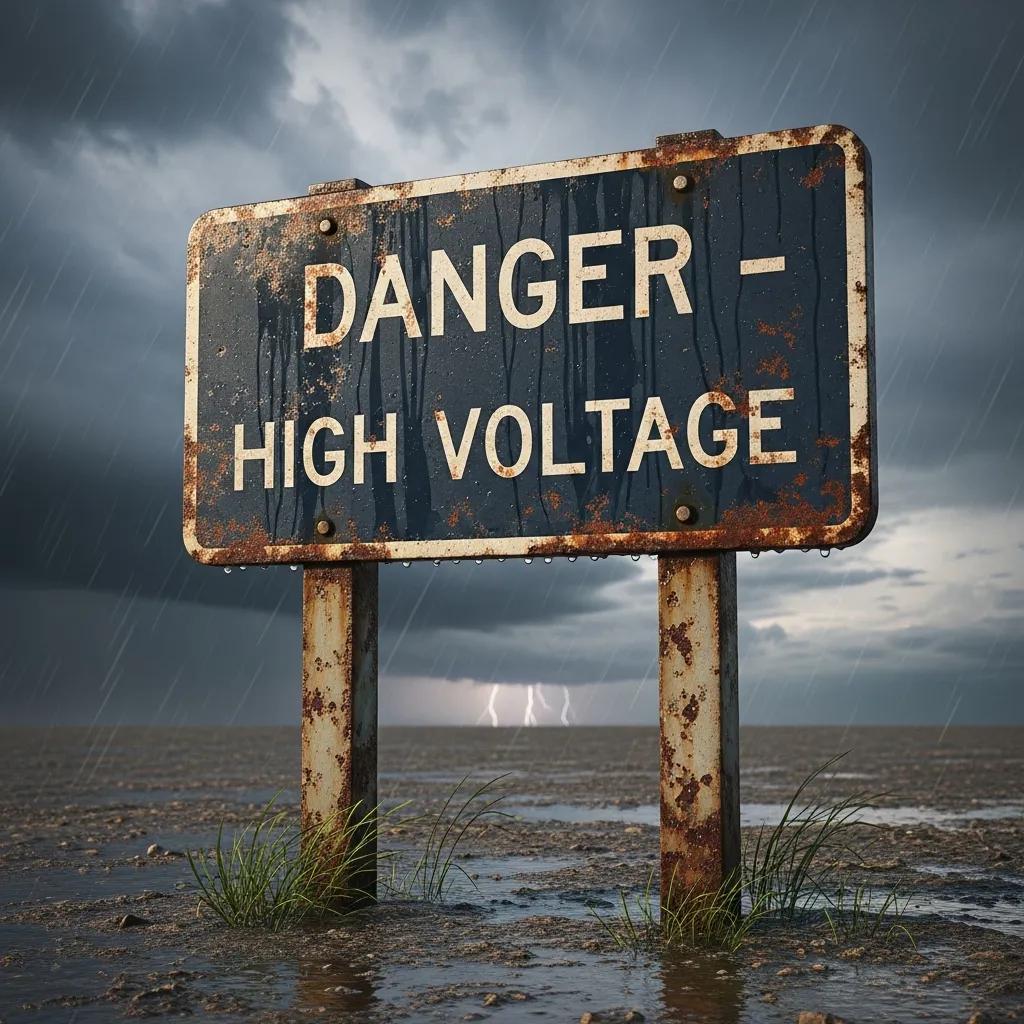
Metal signs excel in durability, being resistant to environmental factors such as rain, wind, and extreme temperatures. They are ideal for outdoor use and can maintain their appearance for years with minimal maintenance.
Further insights into the longevity of outdoor signage emphasize that durability is a multifaceted characteristic influenced by construction, application, and environmental exposure.
Factors Affecting Outdoor Signage Durability
The permanence or durability of outdoor signage and fleet graphics depends on three main factors. These factors are the construction, the application, and the environment in which the graphic is exposed. Fade resistance is but one property that determines the permanence.
Image Permanence: Commercial Signage/Fleet Graphics, 2001
Acrylic vs Metal Signs: Pros & Cons for Effective Business Branding
The ability of signage to withstand various weather conditions is essential for outdoor applications. Here’s how acrylic and metal signs compare.
Acrylic Signs:
Acrylic signs are suitable for indoor use and can be treated for outdoor applications, but they are not ideal for extreme weather conditions. Without proper treatment, they may warp or degrade when exposed to harsh elements.
Metal Signs:
Metal signs are excellent for outdoor conditions, as they can withstand various climates without significant wear. Their resistance to rust and corrosion makes them a reliable choice for businesses located in areas with harsh weather.
Acrylic vs Metal Signs: Pros & Cons for Effective Business Branding
Cost is often a deciding factor when choosing signage materials. Here’s a breakdown of the costs associated with acrylic and metal signs.
Acrylic Signs:
Acrylic signs are typically more affordable, making them a budget-friendly option for businesses looking to maximize their marketing efforts without overspending. They are particularly cost-effective for short-term use or temporary signage.
Metal Signs:
While metal signs generally have a higher upfront cost, they offer a longer lifespan, making them a better value for long-term use. Businesses willing to invest in quality signage may find that metal signs provide a superior return on investment over time.
This comparison highlights the trade-offs between initial investment and longevity, helping businesses choose the right material based on their specific needs.
Maintenance Requirements:
Understanding the maintenance needs of your signage can help ensure its longevity and appearance.
Acrylic Signs:
Acrylic signs require regular cleaning to maintain clarity and prevent scratches. Using gentle cleaning solutions is recommended to avoid damaging the surface.
The relative ease of maintaining acrylic signs, especially when compared to alternatives like neon, often makes them a more budget-friendly choice for businesses.
Acrylic Sign Maintenance vs. Neon Repair Costs
Although tighter budgets have encouraged many businesses to replace the expensive repair costs of neon with the ease of acrylic sign maintenance, radically
Signs, streets, and storefronts: a history of architecture and graphics along America’s commercial corridors, 2012
Metal Signs:
Metal signs have low maintenance needs, requiring only occasional cleaning to remove dirt and debris. Their robust nature means they can withstand the elements without significant wear.
Acrylic vs Metal Signs: Pros & Cons for Effective Business Branding
In summary, both acrylic and metal signs offer unique advantages and disadvantages that can impact your business branding decisions. Acrylic signs are lightweight, customizable, and cost-effective, making them suitable for short-term use. In contrast, metal signs provide durability, a professional appearance, and long-term value, making them ideal for outdoor applications. Ultimately, the choice between acrylic and metal signage will depend on your specific business needs, budget, and branding goals.
What Are the Key Benefits of Acrylic Signs for Business Branding?
Acrylic signs offer several key benefits for business branding, including customization options, cost-effectiveness, and ease of installation. These features make them an attractive choice for businesses looking to enhance their visibility without a significant financial investment.
How Does Acrylic Material Enhance Sign Aesthetics and Customization?
Acrylic material enhances sign aesthetics through its versatility in design and color options. It can be easily shaped and backlit, allowing for creative and eye-catching displays that attract customer attention.
Why Choose Metal Signs for Durability and Long-Term Outdoor Use?
Metal signs are preferred for their durability and resistance to weather conditions. They can withstand harsh environments, making them ideal for outdoor use, and their professional appearance adds credibility to a business’s branding.
What Makes Metal Signs Resistant to Weather and Wear?
Metal signs are resistant to weather and wear due to their robust construction and protective coatings. These features ensure they maintain their appearance and functionality over time, even in challenging conditions.
How Do Acrylic and Metal Signs Compare in Cost and Maintenance?
Acrylic signs are generally more affordable and require regular cleaning, while metal signs have a higher initial cost but lower maintenance needs. The choice between the two will depend on budget considerations and the desired longevity of the signage.
What Are the Typical Maintenance Requirements for Acrylic Signs?
Acrylic signs typically require regular cleaning with gentle solutions to maintain their clarity and prevent scratches. Proper care can extend their lifespan and keep them looking their best.
Acrylic vs Metal Signs: Pros & Cons for Effective Business Branding
In the Atlanta market, businesses often benefit from custom acrylic and metal signage solutions tailored to their branding needs. High Stakes Creative specializes in providing these custom signage solutions, helping businesses enhance their visibility and brand identity through effective signage strategies.
Acrylic vs Metal Signs: Pros & Cons for Effective Business Branding
Atlanta businesses have seen significant improvements in customer engagement and brand recognition through the use of custom acrylic and metal signage. By choosing the right material for their specific needs, these businesses have successfully enhanced their visual identity and market presence.