

How to Install and Maintain Electrical & Illuminated Signs
Electrical and illuminated signs play a crucial role in modern business branding, serving as vital tools for visibility and customer engagement. These signs not only attract attention but also convey essential information about a business’s identity and offerings. In this comprehensive guide, we will explore the fundamentals of electrical and illuminated signs, including their types, installation processes, and maintenance practices. By understanding these elements, businesses can enhance their brand visibility and ensure their signage remains effective over time. We will also discuss the importance of energy efficiency and compliance with local regulations, which are critical factors in the design and implementation of outdoor business signs.
What Are Electrical and Illuminated Signs? Understanding Core Concepts
Electrical and illuminated signs are visual communication tools that utilize electrical components to produce light, enhancing their visibility, especially at night. These signs can be found in various forms, including LED, neon, and fluorescent signs, each offering unique benefits and applications. The primary function of these signs is to attract attention and convey messages effectively, making them essential for businesses looking to enhance their branding and visibility. Understanding the core concepts behind these signs is crucial for businesses aiming to leverage their potential fully.
Defining Illuminated Signs and Their Role in Business Branding
Illuminated signs are a specific category of electrical signage that incorporates light to enhance visibility and aesthetic appeal. These signs significantly contribute to brand recognition by making businesses more noticeable, especially in high-traffic areas. The visibility benefits of illuminated signs include increased foot traffic and improved customer engagement, as they draw attention even in low-light conditions. Furthermore, the aesthetic appeal of illuminated signs can enhance a business’s overall branding strategy, creating a memorable impression on potential customers.
High Stakes Creative is a professional branding and signage service provider focused on delivering electrical and illuminated sign solutions primarily to businesses in the Atlanta metropolitan area. Their core offerings include custom LED sign installation, electrical signage design, and maintenance services tailored to enhance brand visibility through effective illuminated signage.
Types of Electrical Signs: LED, Neon, and Fluorescent Explained
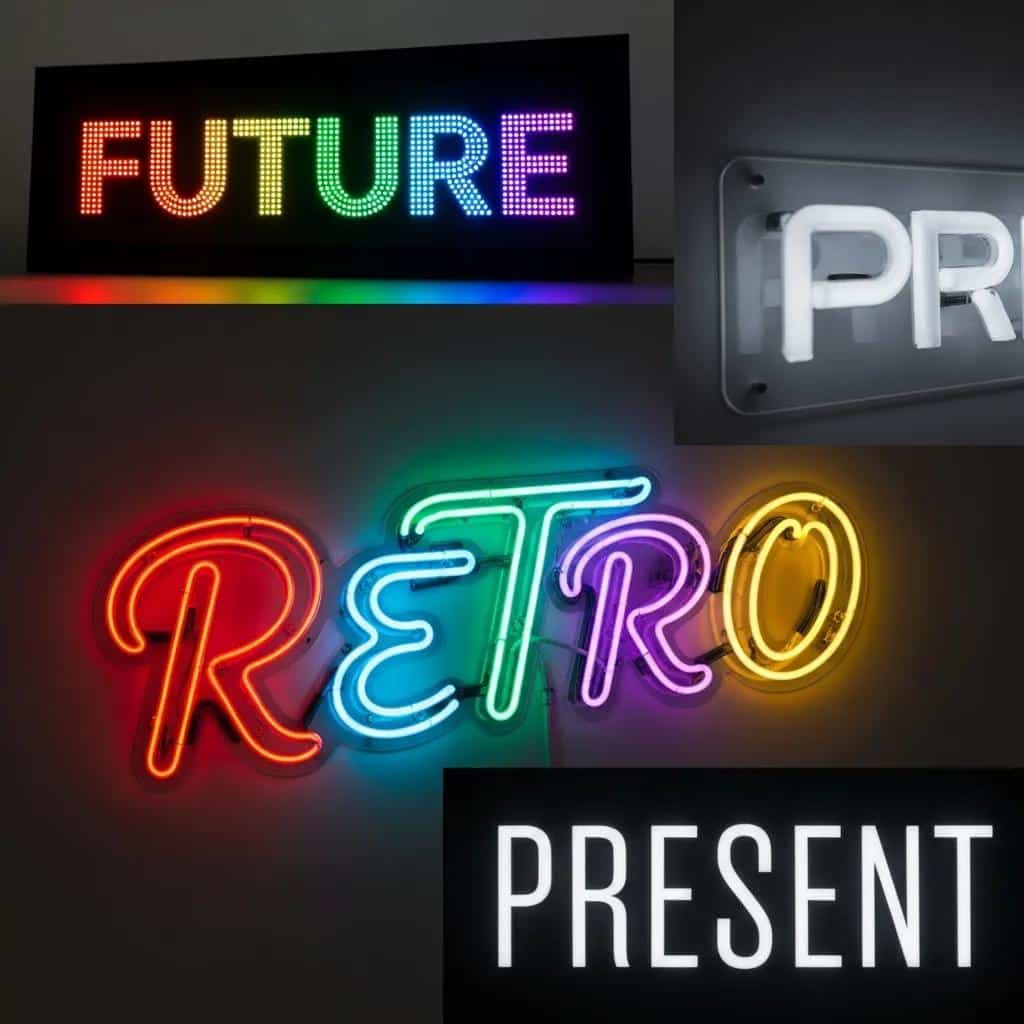
Electrical signs come in various types, each with distinct characteristics and applications.
- LED Signs: These signs utilize light-emitting diodes to produce bright, energy-efficient displays. They are known for their longevity and low power consumption, making them a popular choice for businesses.
- Neon Signs: Neon signs are created by electrifying gas-filled tubes, producing vibrant colors and a classic aesthetic. They are often used for artistic displays and can be customized to various shapes and sizes.
- Fluorescent Signs: These signs use fluorescent tubes to illuminate the display. While they are less energy-efficient than LED signs, they offer a softer glow and are often used in indoor settings.
Understanding the differences between these types of electrical signs can help businesses choose the right option for their branding needs.
How Is LED Sign Installation Performed for Optimal Brand Visibility?

The installation of LED signs involves several critical steps to ensure optimal brand visibility. First, a thorough site assessment is conducted to determine the best location for the sign, considering factors such as visibility, height, and surrounding structures. Next, the necessary permits are obtained to comply with local regulations.
Once the site is prepared, the installation process begins, which includes mounting the sign securely and connecting the electrical components. Safety considerations are paramount during installation, including ensuring proper wiring and grounding to prevent electrical hazards. After installation, testing is performed to ensure the sign operates correctly and meets visibility standards.
Tools Required for Installation
The installation of LED signs requires specific tools to ensure a successful setup. Key tools include:
- Drills: For creating mounting holes.
- Wrenches: To secure bolts and brackets.
- Wire Strippers: For preparing electrical connections.
- Level: To ensure the sign is installed straight.
Safety Considerations During Installation
Safety is a top priority during the installation of LED signs. Installers must adhere to electrical safety standards, including:
- Wearing appropriate personal protective equipment (PPE).
- Ensuring the power supply is turned off during installation.
- Using insulated tools to prevent electrical shocks.
How to Install and Maintain Electrical & Illuminated Signs
Maintaining electrical signs is essential for ensuring their longevity and effectiveness. Regular maintenance practices include:
- Routine Inspections: Checking for any signs of wear, damage, or malfunction.
- Cleaning: Keeping the sign clean from dirt and debris to maintain visibility.
- Electrical Checks: Ensuring all electrical components are functioning correctly and replacing any faulty parts promptly.
For neon signs, specific repair techniques may be required, such as re-gassing or replacing broken tubes. Understanding these maintenance practices can help businesses avoid costly repairs and ensure their signage remains effective.
Routine Maintenance Tasks
Routine maintenance tasks for electrical signs include:
- Inspecting wiring and connections for wear.
- Cleaning the sign surface to remove dirt and grime.
- Testing the illumination to ensure consistent brightness.
Troubleshooting Tips
If an electrical sign is not functioning correctly, consider the following troubleshooting tips:
- Check the power supply to ensure it is connected.
- Inspect for blown fuses or tripped circuit breakers.
- Look for any visible damage to the sign or wiring.
How to Install and Maintain Electrical & Illuminated Signs
Energy efficiency is a critical consideration for outdoor business signs, as it impacts operational costs and environmental sustainability. LED signs are particularly favored for their energy-efficient properties, consuming significantly less power than traditional neon or fluorescent signs. This efficiency not only reduces electricity bills but also aligns with growing consumer preferences for environmentally friendly practices.
While LED signs offer significant energy savings, it’s also important to consider their potential impact on light pollution, as highlighted by research.
LED Advertising Signs: Energy Saving & Light Pollution
Lighting advertising signs not only play an important role in outdoor lighting environment in Taiwan, but also become the main factor of energy consumption in urban areas at night. Light-emitting diode (LED) has been gradually used in advertising signs due to its advantages. However, in order to be conspicuous and legible in the daytime, signs that are excessively bright may result in considerable light pollution and energy waste at nighttime.
A study on energy saving and light pollution of LED advertising signs, 2012
Local regulations also play a vital role in the design and installation of outdoor signs. Businesses must comply with zoning laws, which dictate sign size, height, and illumination levels. Understanding these regulations is essential for ensuring that signage is both effective and compliant, avoiding potential fines or required modifications.
Benefits of Energy-Efficient Signage
Energy-efficient signage offers several benefits, including:
- Cost Savings: Reduced energy consumption leads to lower utility bills.
- Environmental Impact: Decreased energy use contributes to a smaller carbon footprint.
- Longevity: Energy-efficient signs, particularly LEDs, tend to have longer lifespans, reducing replacement costs.
Overview of Local Regulations
Local regulations regarding outdoor signage can vary significantly by municipality. Common regulations include:
- Restrictions on sign size and height.
- Limitations on illumination levels to minimize light pollution.
- Requirements for obtaining permits before installation.
This understanding of energy efficiency and local regulations is crucial for businesses looking to implement effective outdoor signage strategies.