
Custom Wayfinding Systems for Facilities
By Matt Matthews, OwnerUpdated 7 min read
Quick answer
A wayfinding system is the planned set of signs that gets people from the parking lot to the right room: directional, identification, regulatory and ADA room signs. It starts with a walk of the building, a sign schedule and a message map, then fabrication to one design standard.
Custom Wayfinding Systems for Navigation & Facility Branding
Custom wayfinding systems are essential for enhancing navigation within facilities, ensuring that visitors can easily find their way around complex environments. These systems utilize directional signage to guide users effectively, improving their overall experience. In this article, we will explore the various aspects of custom wayfinding systems, including their role in enhancing navigation, improving user experience, and supporting branding efforts. Additionally, we will discuss the importance of custom directional signs, signage fabrication, and facility signage planning, particularly in the context of businesses in the Atlanta metropolitan area.
Enhancing Navigation
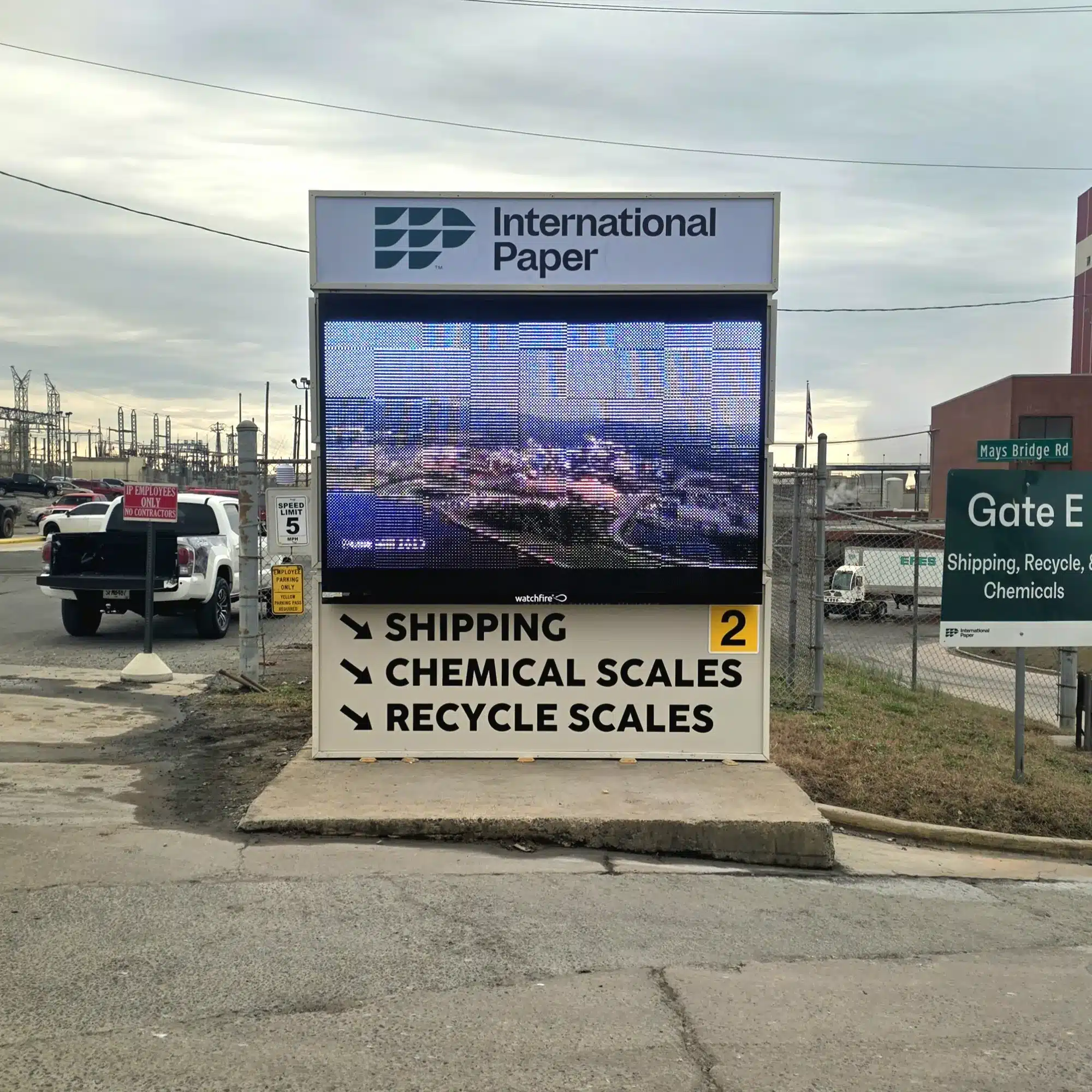
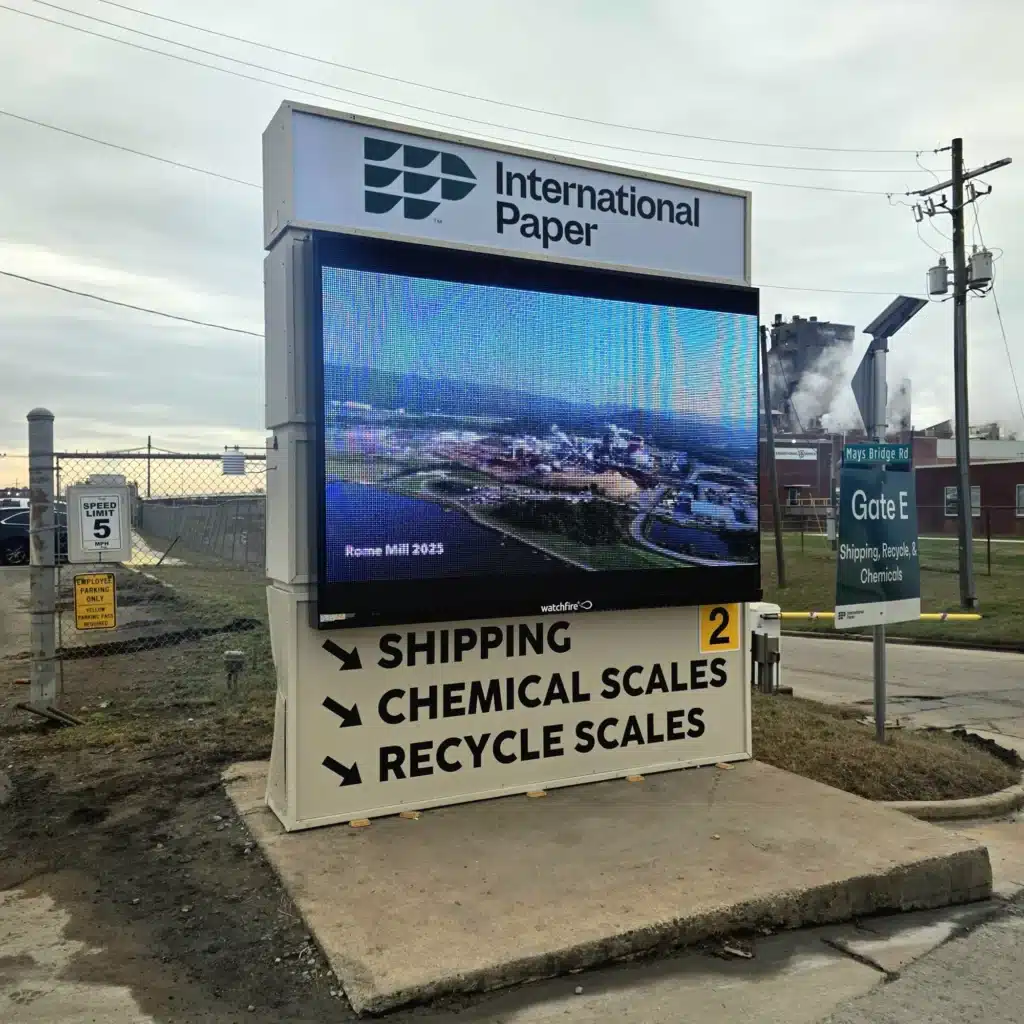
Directional signage plays a crucial role in enhancing navigation within facilities. Clear and strategically placed signs help users orient themselves and find their desired destinations without confusion. This is particularly important in large or complex environments, such as hospitals, universities, and corporate offices, where the risk of disorientation is high. Effective wayfinding systems not only reduce frustration but also contribute to a more positive overall experience for visitors.
Research highlights the significant cognitive challenges users face when navigating complex environments, underscoring the need for intuitive wayfinding solutions.
User Experience in Complex Wayfinding Systems
Wayfinding is an exceedingly complicated cognitive process, especially in complex environments such as hospitals, shopping centers and airports. Inhabitants of such large environments can become lost very easily if they are unfamiliar with the environment. Although they may eventually be able to discover the route to a specific destination, interacting with conventional wayfinding aids, such as consulting a map, understanding signs, and asking people for directions, can be very time-consuming.
Implementing an augmented reality-enabled wayfinding system through studying user experience and requirements in complex environments, MJ Kim, 2015
Improving User Experience
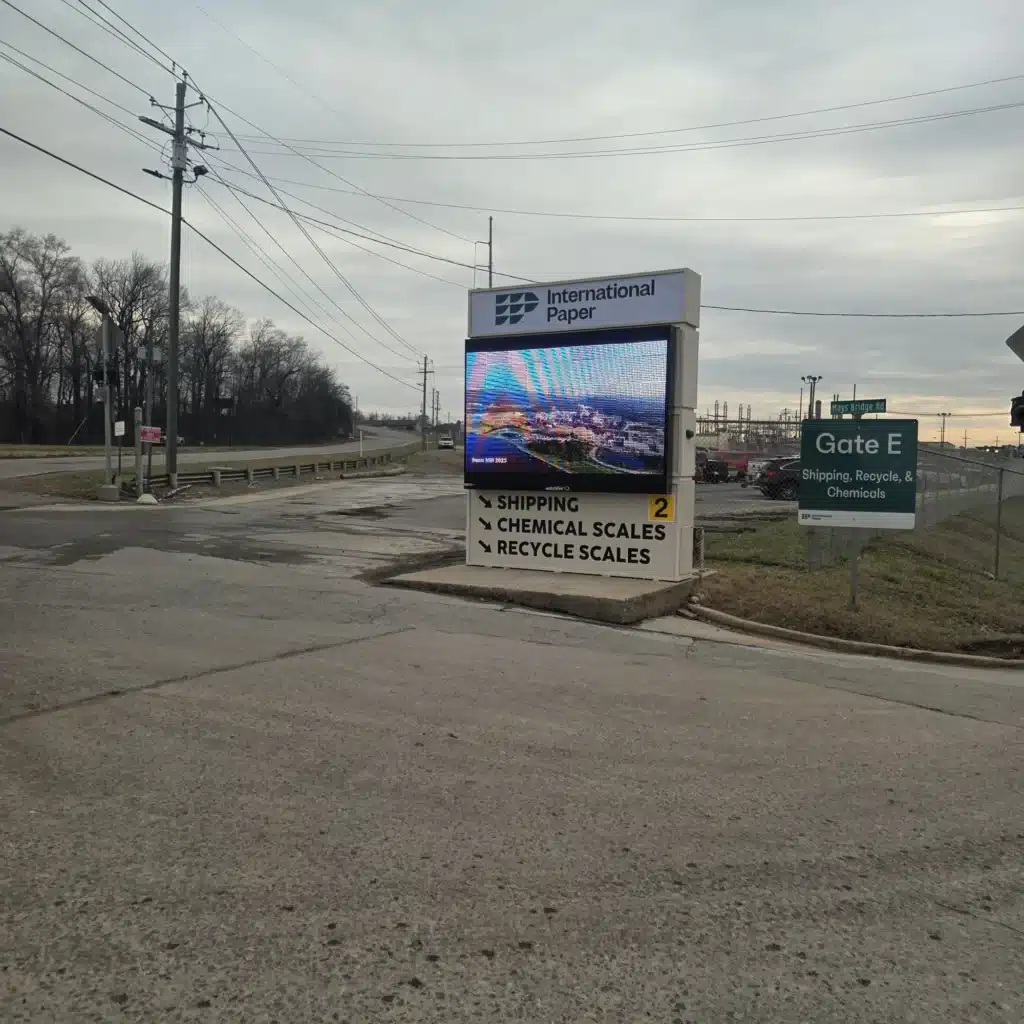
The user experience is significantly improved through the implementation of well-designed signage. Accessibility is a key factor, as clear and visible signs cater to individuals with varying levels of ability. Aesthetic appeal also plays a role; attractive signage can enhance the overall ambiance of a facility, making it more inviting. Ultimately, a positive user experience leads to higher satisfaction rates and encourages repeat visits.
Further studies emphasize that truly effective wayfinding systems must be inclusively designed to accommodate diverse user abilities and ensure consistent navigation in complex settings.
Inclusive Wayfinding Design for Complex Environments
Wayfinding, as conceptualized by Lynch, has transformed from traditional navigation methods reliant on visual cues and landmarks to modern systems that integrate digital technologies and neuroscience. This study addresses the need for accessible and consistent wayfinding systems that accommodate diverse user abilities, particularly in complex environments such as public transit, hospitals, and large institutions. Current systems often lack coordination, clear signage, and comprehensive coverage, leading to navigation challenges. Through a multi-method approach, including literature review and case study analysis, this research evaluates best practices for inclusive wayfinding. Key findings emphasize the importance of consistent visual design, strategic sign placement, and integrating technologies like interactive maps and augmented reality (AR).
Navigating life: Neuroscience and inclusive design in wayfinding systems, J Hutson, 2024
Supporting Branding Efforts
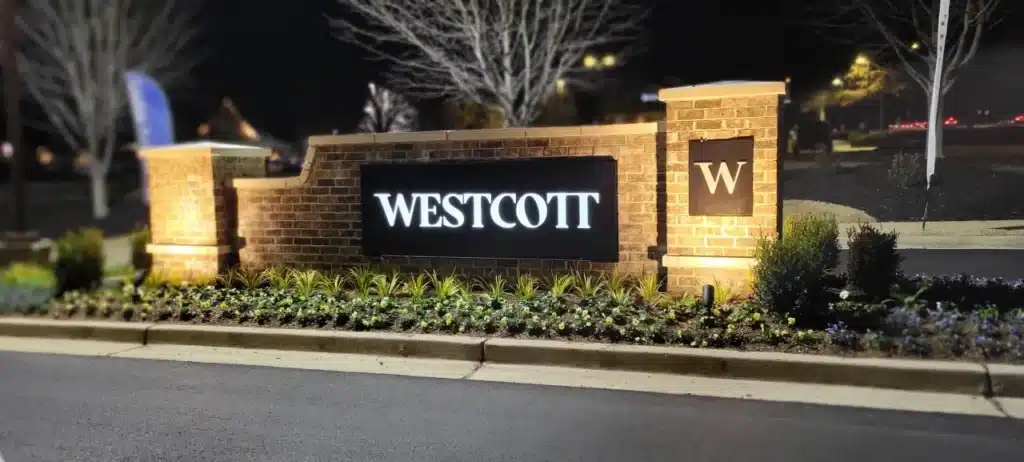
Signage is not just about navigation; it also serves as a powerful branding tool. Custom directional signs can reflect a facility’s identity and values, reinforcing brand recognition among visitors. By incorporating logos, colors, and design elements that align with the brand, facilities can create a cohesive visual identity that resonates with users. This integration of branding into wayfinding systems fosters brand loyalty and enhances the overall perception of the facility.
High Stakes Creative specializes in providing branding signage solutions that enhance the effectiveness of wayfinding systems. Their expertise in custom design, fabrication, and installation ensures that businesses in the Atlanta area can achieve a strong visual identity through their signage.
Branding Integration
Integrating branding elements into signage involves careful consideration of design and placement. Effective branding integration can create memorable impressions on visitors, fostering a sense of connection to the facility. Utilizing logos and brand colors consistently across all signage not only enhances recognition but also contributes to a cohesive user experience. This strategic approach to branding in wayfinding systems can significantly impact user perception and satisfaction.
What Are Custom Directional Signs and Their Role in Facility Wayfinding?
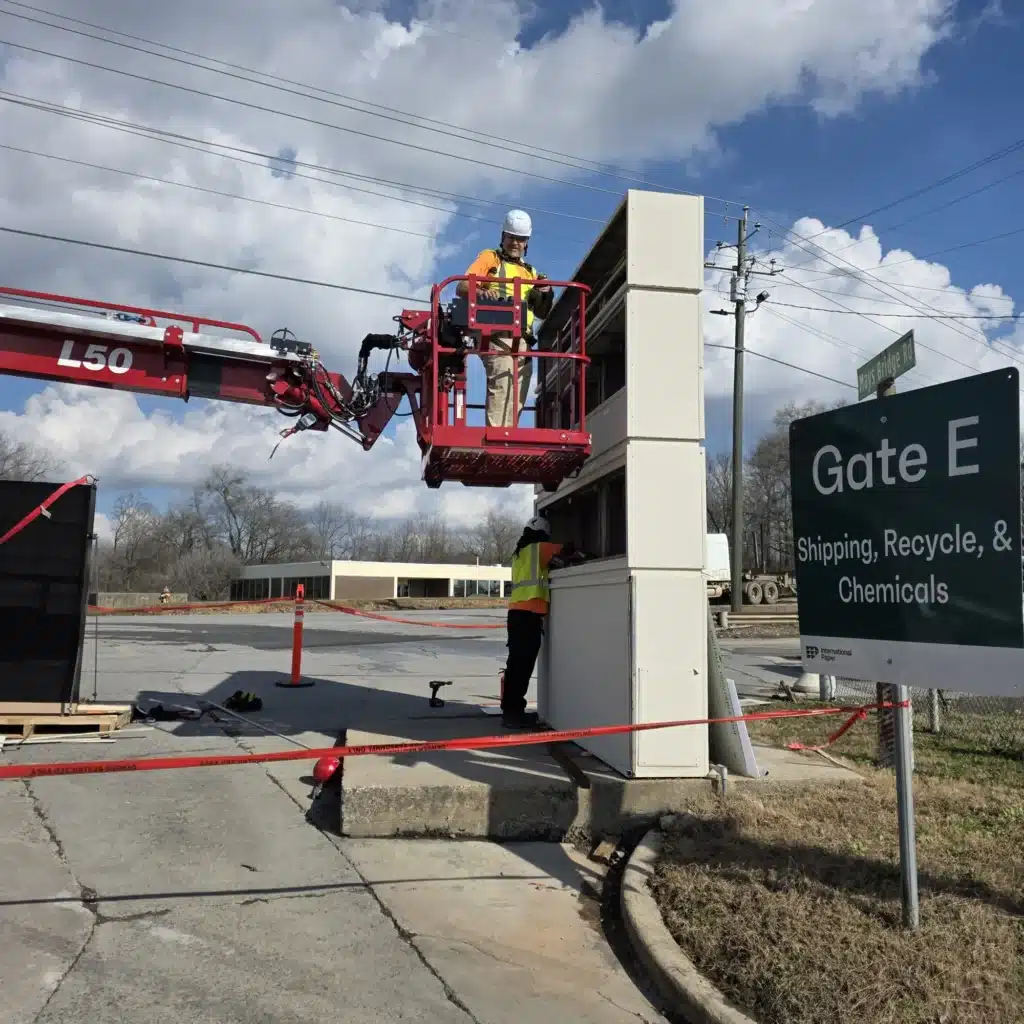
Custom directional signs are tailored solutions designed to guide users through a facility. These signs are essential components of wayfinding systems, providing clear instructions and information to help visitors navigate effectively. The role of these signs extends beyond mere direction; they also contribute to the overall aesthetic and branding of the facility.
Design Considerations
When designing custom directional signs, several key considerations must be taken into account. Clarity and readability are paramount; signs should be easy to understand at a glance. Material selection is also crucial, as different materials can affect durability and visibility. Additionally, size and scale must be appropriate for the environment to ensure that signs are noticeable and effective.
Placement Strategies
Effective placement strategies for signage are vital to ensure maximum visibility and impact. Signs should be positioned at strategic locations, such as entrances, intersections, and near points of interest. Height and angle considerations are also important; signs should be placed at eye level and angled for optimal visibility. Consistency in the signage system helps reinforce the wayfinding message and aids in user navigation.
How Does Custom Signage Fabrication Improve User Navigation?
Custom signage fabrication enhances user navigation by providing tailored solutions that meet the specific needs of a facility. Tailored designs can incorporate dimensional and illuminated signage, which improves visibility and readability. High contrast between text and background further aids in comprehension, ensuring that users can quickly and easily interpret the information presented.
Which Materials and Designs Ensure Durable and Effective Directional Signs?
The choice of materials and designs is critical for creating durable and effective directional signs. Durable materials, such as metal and high-quality plastics, withstand environmental factors and wear over time. Design considerations for visibility include using bold fonts and contrasting colors to enhance readability. Eco-friendly options are also available, allowing facilities to align their signage with sustainability goals.
How Does Facility Signage Planning Ensure Cohesive and Compliant Wayfinding Systems?
Facility signage planning is essential for creating cohesive and compliant wayfinding systems. This process involves defining branding goals, choosing appropriate signage types, and ensuring compliance with regulations, such as ADA standards. A well-planned signage system not only enhances navigation but also reflects the facility’s identity and values.
What Are the Key Steps in Planning Effective Facility Signage?
Planning effective facility signage involves several key steps:
- Define Branding Goals: Establish clear objectives for how signage will reflect the facility’s identity.
- Work with Professionals: Collaborate with signage experts to ensure that designs meet both aesthetic and functional requirements.
- Evaluate and Adjust Signage: Regularly assess the effectiveness of signage and make necessary adjustments to improve user navigation.
How Is ADA Compliance Integrated into Facility Signage Design?
ADA compliance is a critical aspect of facility signage design. Ensuring that signs meet accessibility standards is essential for accommodating individuals with disabilities. This includes considerations such as tactile elements, braille, and appropriate contrast levels. By integrating ADA compliance into the design process, facilities can create inclusive environments that cater to all users.
While ADA compliance is crucial, some research suggests that current standards may not fully address the specific needs of individuals with low vision, prompting a reevaluation of design approaches.
Rethinking ADA Signage for Low-Vision Accessibility
Americans With Disabilities Act (ADA) and International Code Council (ICC) standards for accessible buildings and facilities affect design and construction of all new and renovated buildings throughout the United States, and form the basis for compliance with the ADA. While these standards may result in acceptable accessibility for people who are fully blind, they fall far short of what they could and should accomplish for those with low vision.
Rethinking ADA signage standards for low-vision accessibility, A Arditi, 2017
Why Choose Local Wayfinding Signage Companies in Atlanta for Your Facility Needs?
Choosing local wayfinding signage companies in Atlanta offers several advantages for facilities seeking effective signage solutions. Local companies possess a deep understanding of regional regulations and community needs, allowing them to provide tailored solutions that resonate with local users.
What Advantages Does Local Expertise Bring to Wayfinding System Implementation?
Local expertise brings several benefits to the implementation of wayfinding systems:
- Understanding Local Regulations: Local companies are familiar with the specific regulations that govern signage in the area.
- Tailored Solutions for Local Businesses: They can create signage that reflects the unique characteristics of the local community.
- Community Engagement: Local companies often have established relationships within the community, enhancing collaboration and support.
Can Case Studies Demonstrate Successful Wayfinding Projects in Atlanta?
Case studies of successful wayfinding projects in Atlanta highlight the effectiveness of local expertise. These projects often showcase innovative solutions that address specific challenges faced by facilities in the area. By examining these examples, businesses can gain insights into best practices and successful strategies for their own wayfinding systems.
What Are the Best Practices for Installation and Maintenance of Custom Wayfinding Signs?
Proper installation and maintenance of custom wayfinding signs are crucial for ensuring their effectiveness. Professional installation makes sure that signs are correctly aligned and positioned for maximum visibility. Regular maintenance, including cleaning and inspections, helps preserve the integrity of the signage and ensures that it remains functional over time.
How Is Professional Installation Critical to Signage Effectiveness?
Professional installation is critical to the effectiveness of signage. Certified installers ensure that signs are placed accurately and securely, minimizing the risk of damage or misalignment. Proper alignment and placement significantly impact user navigation, making professional installation a worthwhile investment.
What Maintenance Services Ensure Longevity and Consistency of Wayfinding Systems?
To ensure the longevity and consistency of wayfinding systems, facilities should implement regular maintenance services. This includes:
- Regular Cleaning and Inspections: Keeping signs clean and in good condition enhances visibility and readability.
- Prompt Damage Repair: Addressing any damage quickly prevents further deterioration and maintains the effectiveness of the signage.
- Periodic Evaluations: Regularly assessing the signage system allows for adjustments and improvements based on user feedback and changing needs.
Keep reading

What It Means to Be 3M Certified Wrap Installers and a 3M Preferred Shop
High Stakes Creative is made up of 3M Certified wrap installers and is a 3M Preferred Shop. Here is what each one means, how 3M tests…
Read the article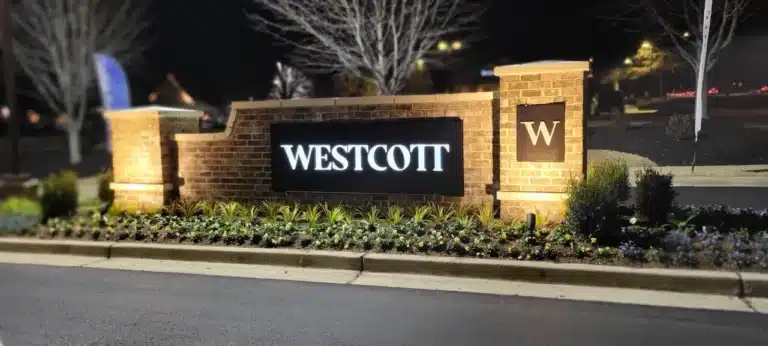
The Westcott in Canton: A Halo-Lit Lobby Logo and Illuminated Monuments
A halo-lit dimensional W logo in the leasing lobby, illuminated brick monuments, entry pillar signs and resident parking signs for The Westcott in Canton, GA.
Read the article
AdventHealth: Ambulance and EMS Fleet Graphics in Northwest Georgia
Blue, white and green AdventHealth graphics kept consistent across ambulances, EMS vans, shuttle vans and SUVs in northwest Georgia, from 2022 to 2025.
Read the articlePlanning a project like this?
Send the floor plans, brand guide and the date you are working toward. We will come back with a scope, a schedule and one point of contact.
2000 Cobb International Blvd NW, Suite E, Kennesaw, GA 30152
(678) 861-7446
info@highstakescreative.com
Monday to Friday, 9am to 5pm