Kennesaw studio, serving metro Atlanta
Ground-level identification signs designed, permitted, built and installed for corporate campuses, medical buildings, churches and schools across metro Atlanta.
Every photo here is a High Stakes Creative install from the last few years. Drag or swipe to browse, tap any image to view it full size.
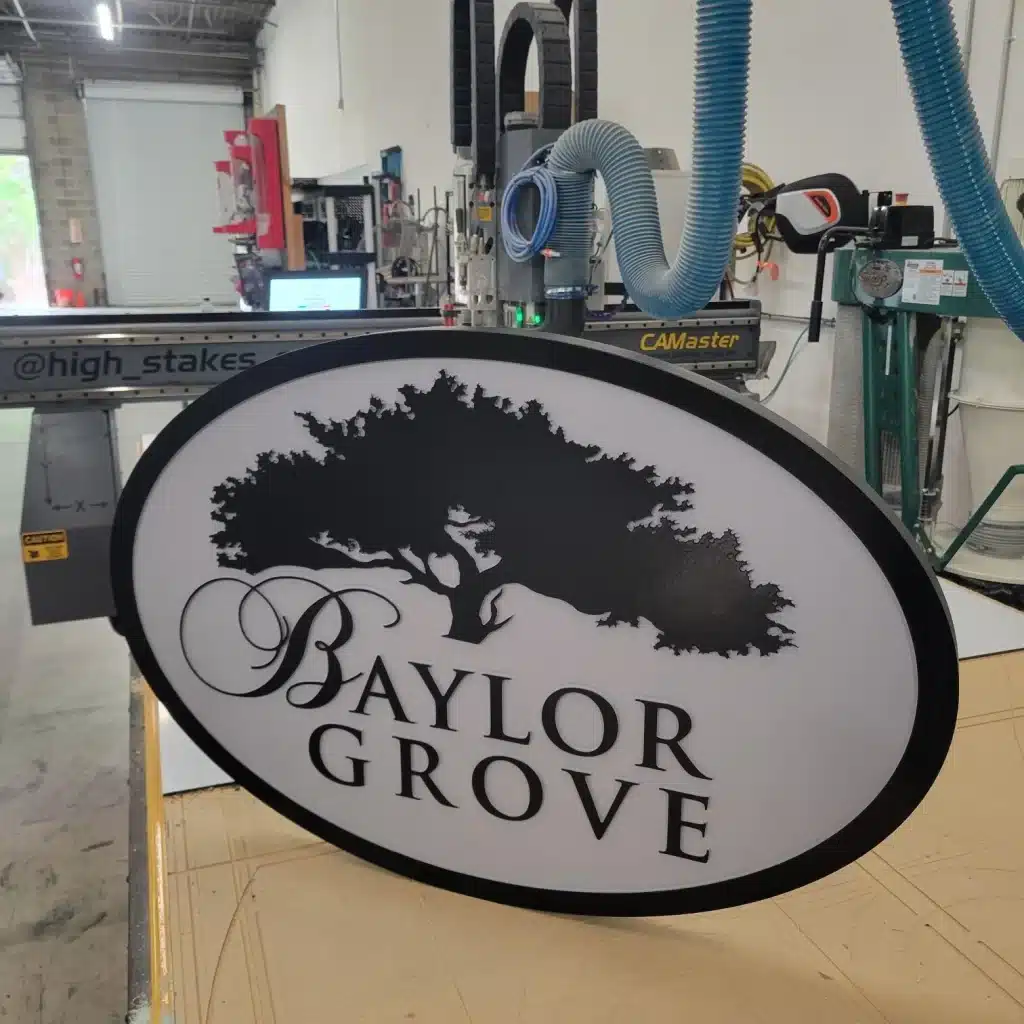
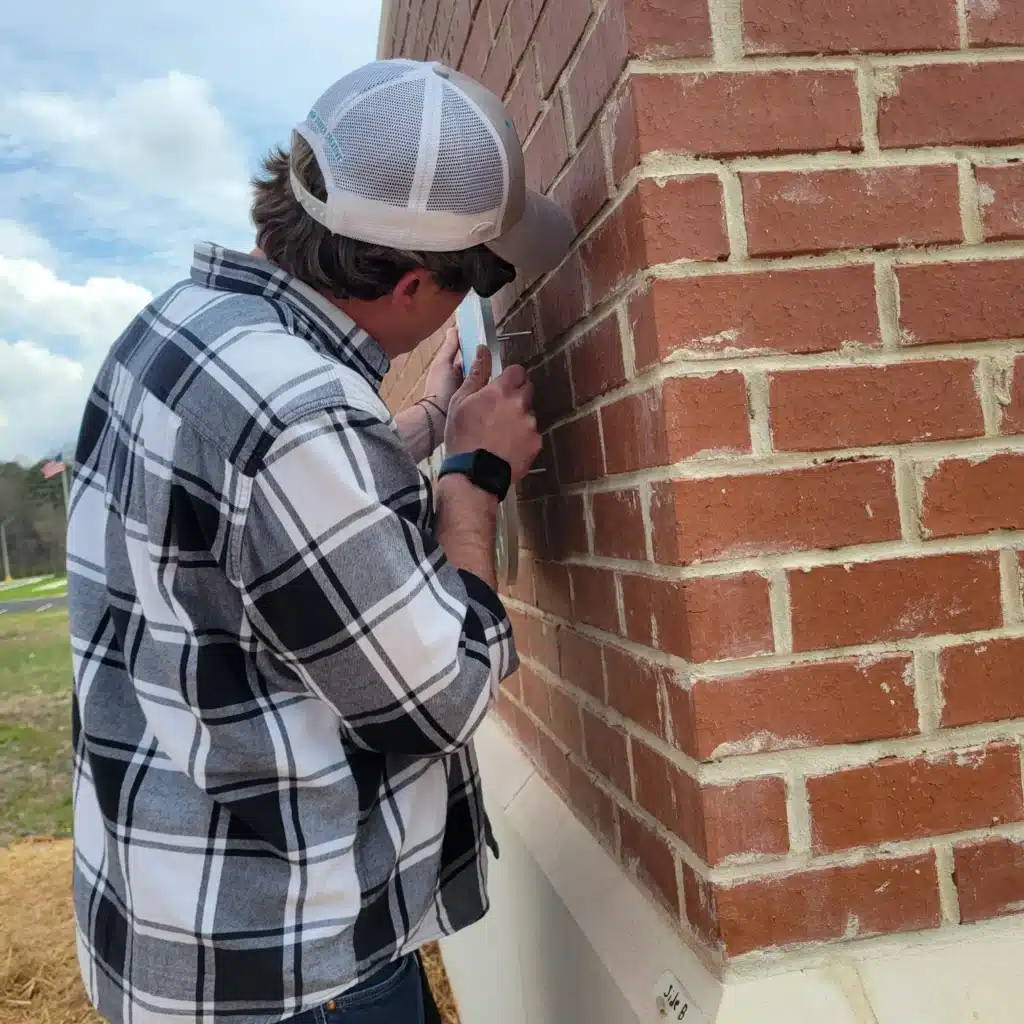
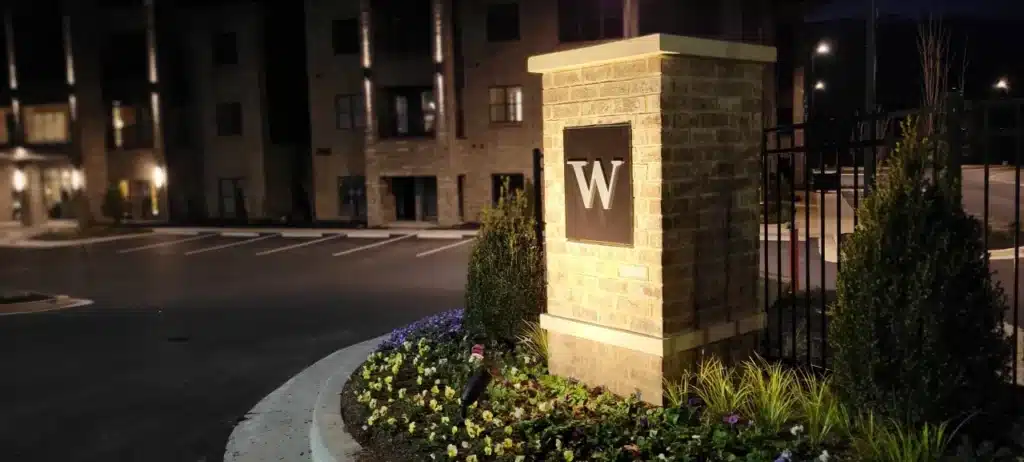
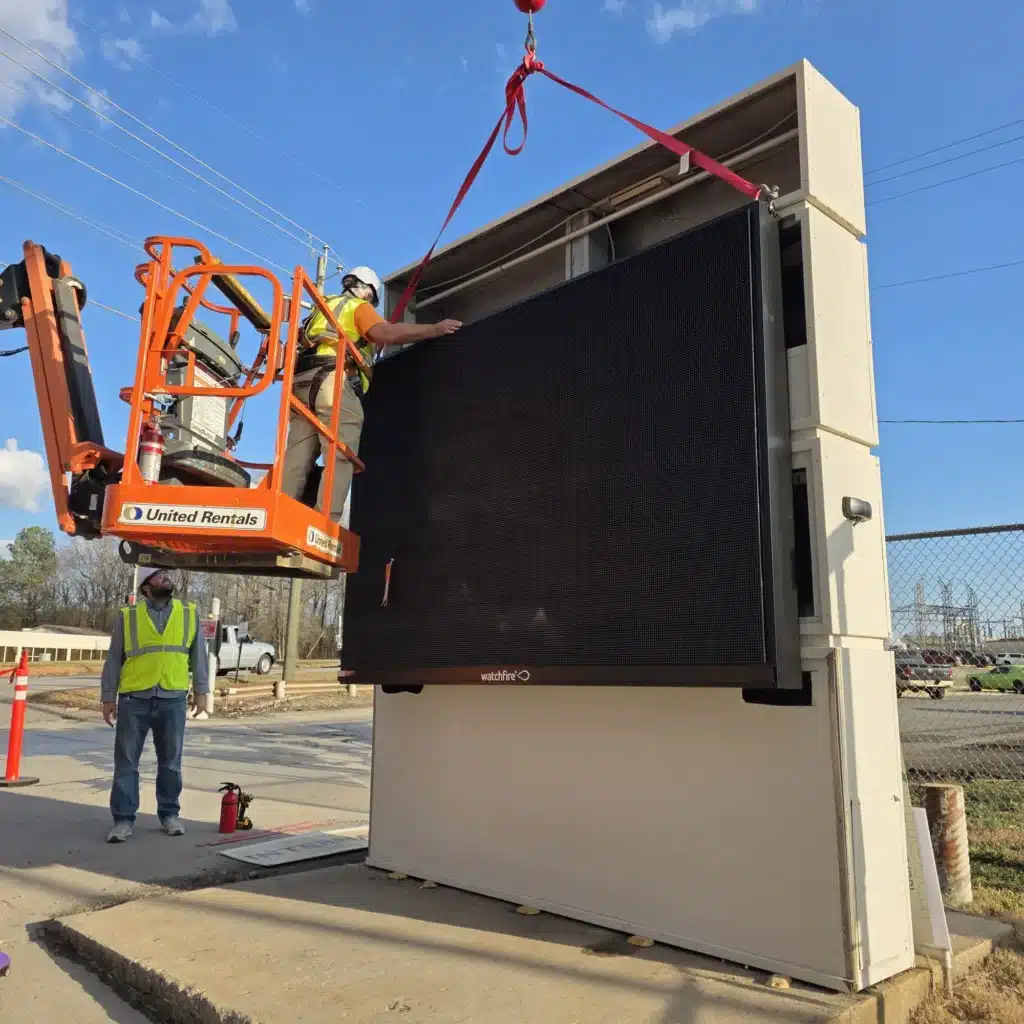
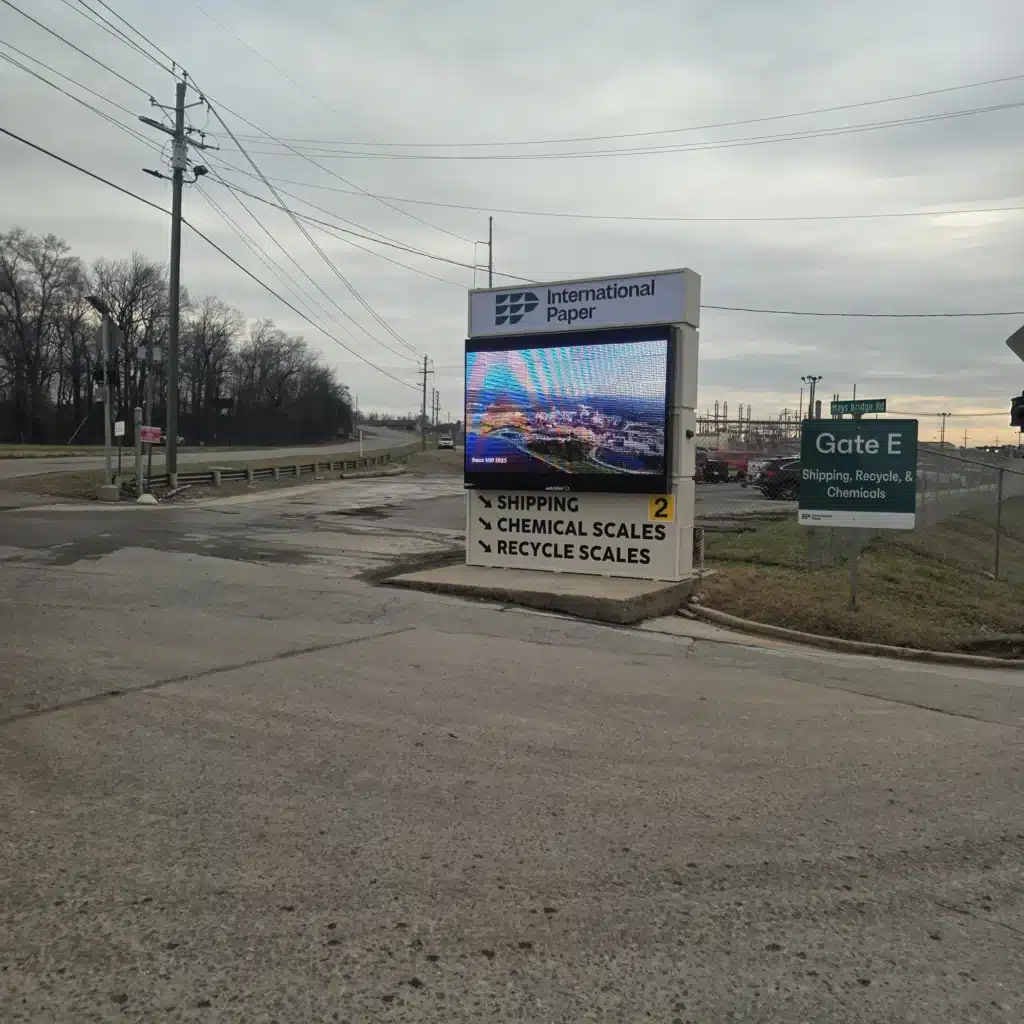
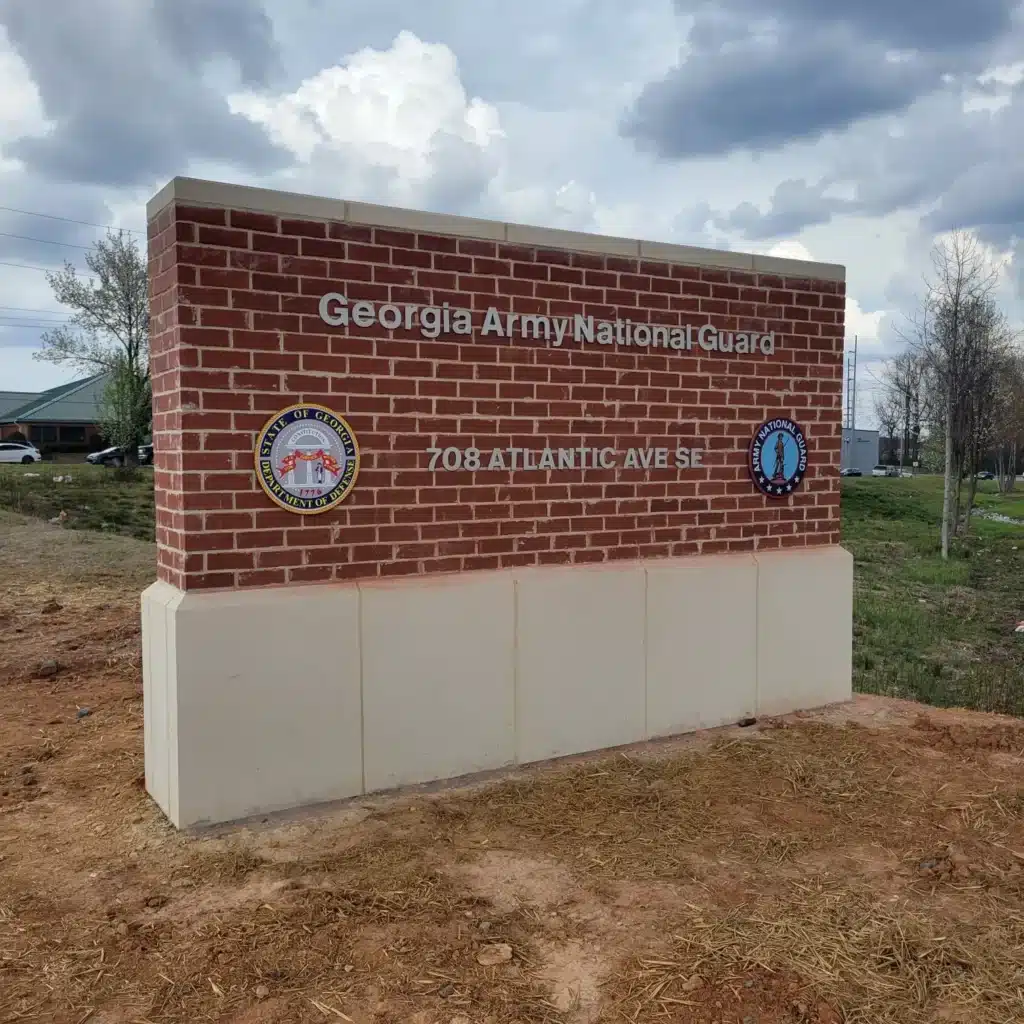
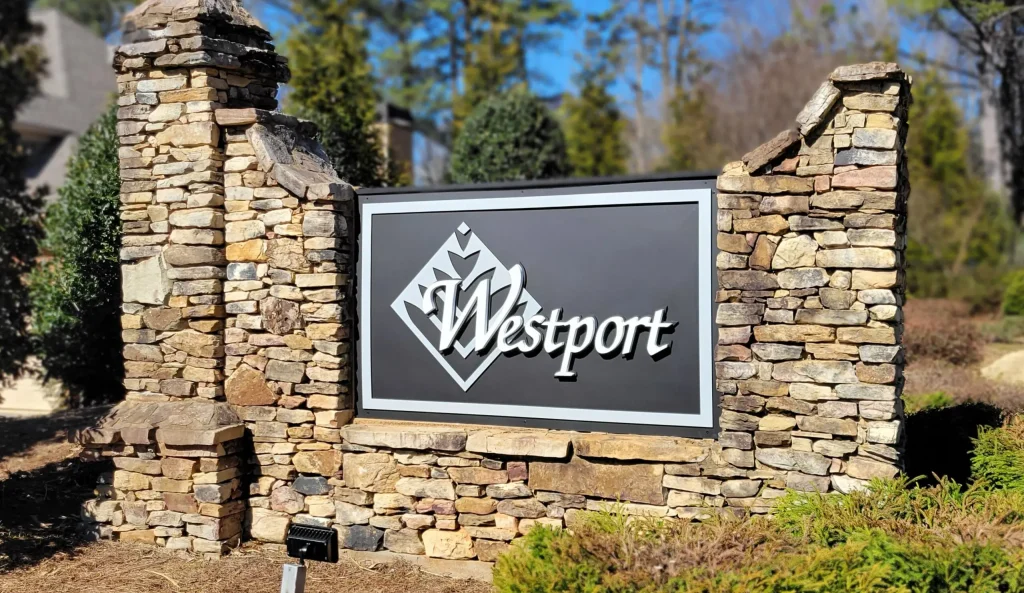
A monument sign is a freestanding, low-profile sign set on its own base near a site entrance or road frontage, usually built from aluminum, stone or masonry with dimensional letters or tenant panels. High Stakes Creative designs, permits, fabricates and installs monument signs for office parks, corporate campuses, medical buildings and multi-tenant properties in Cobb County and across metro Atlanta.
For many buildings, the monument sign is the first thing people see and the thing they look for when they are trying to find the entrance. It sets expectations for the property before anyone reaches the door, and it is often the one sign that every tenant, patient or visitor relies on.
A good monument sign is readable at driving speed, sits comfortably in the landscape and matches the architecture. It also has to satisfy the local sign ordinance, the property owner and sometimes an owners association, and it needs a proper footing and, if illuminated, power brought to it. Those requirements differ from one jurisdiction to the next.
We take monument signs from first site visit to final installation. That includes reviewing sightlines and setbacks, designing options that fit the building, preparing the drawings your permit application needs, fabricating the sign, and coordinating the foundation and electrical work so the project reaches completion on one schedule.
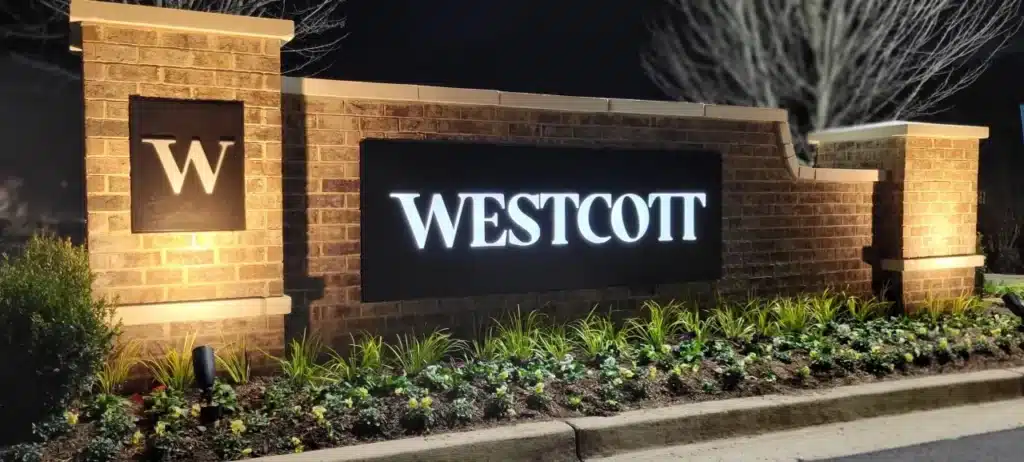
A sign panel set between two or more posts, in aluminum or composite with routed, painted or applied graphics. A clean, cost-conscious choice for office parks, medical buildings and campuses that need several matching signs.
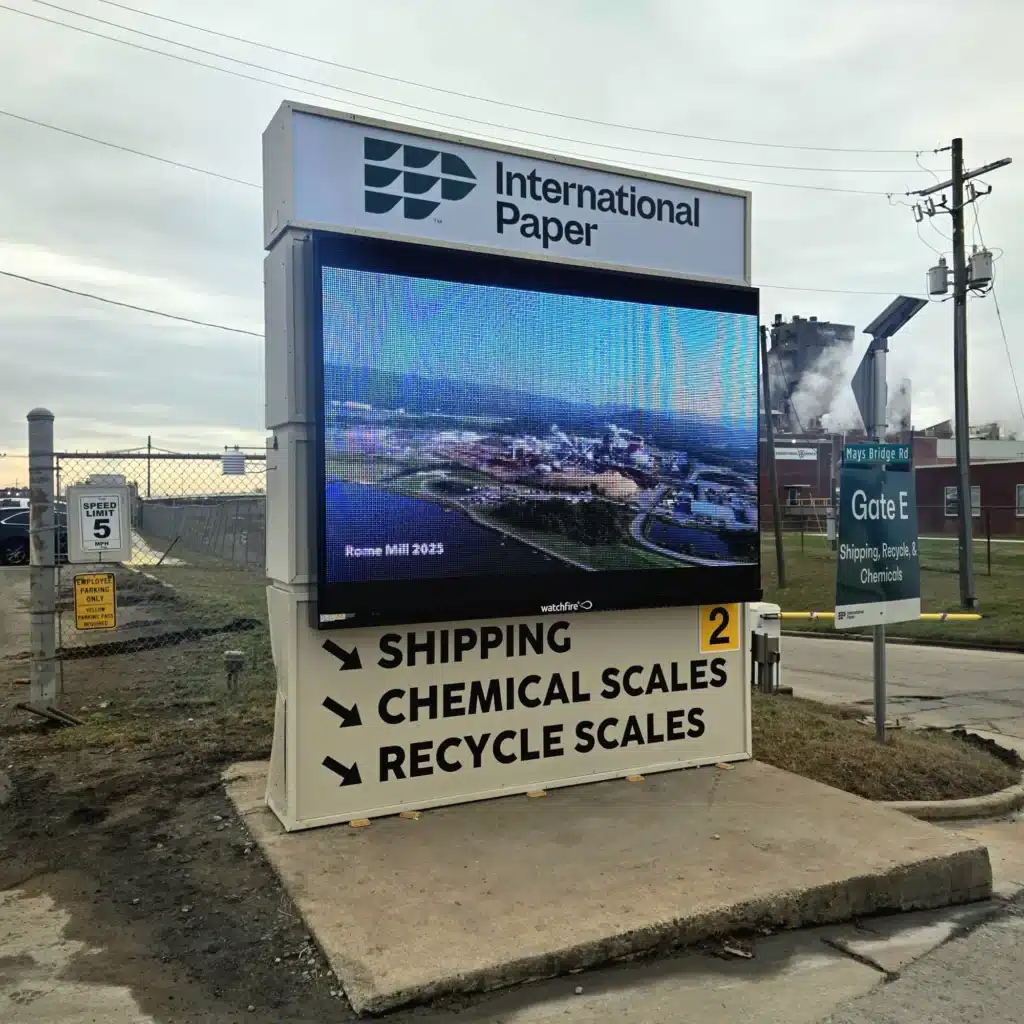
Fabricated aluminum structures with a painted finish, routed faces or push-through letters, and room for tenant panels or illumination. Cabinets can be shaped and finished to echo the building's materials and colors.
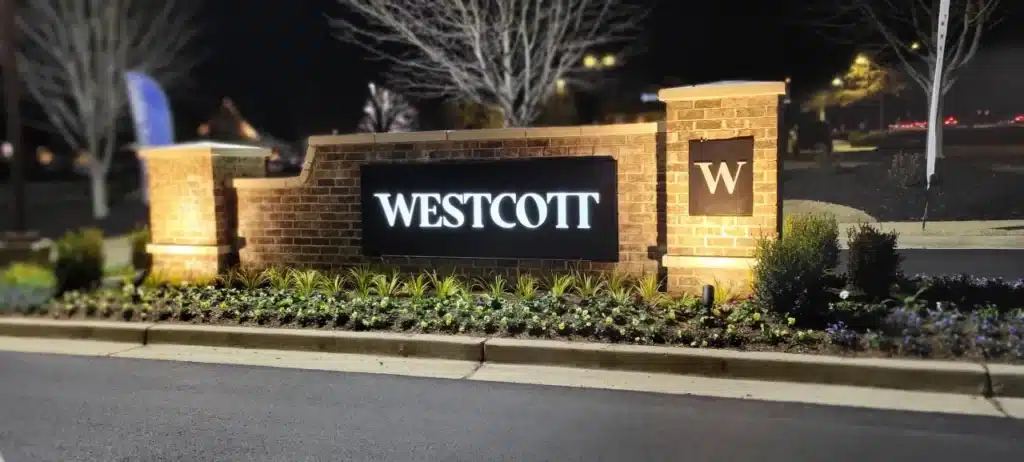
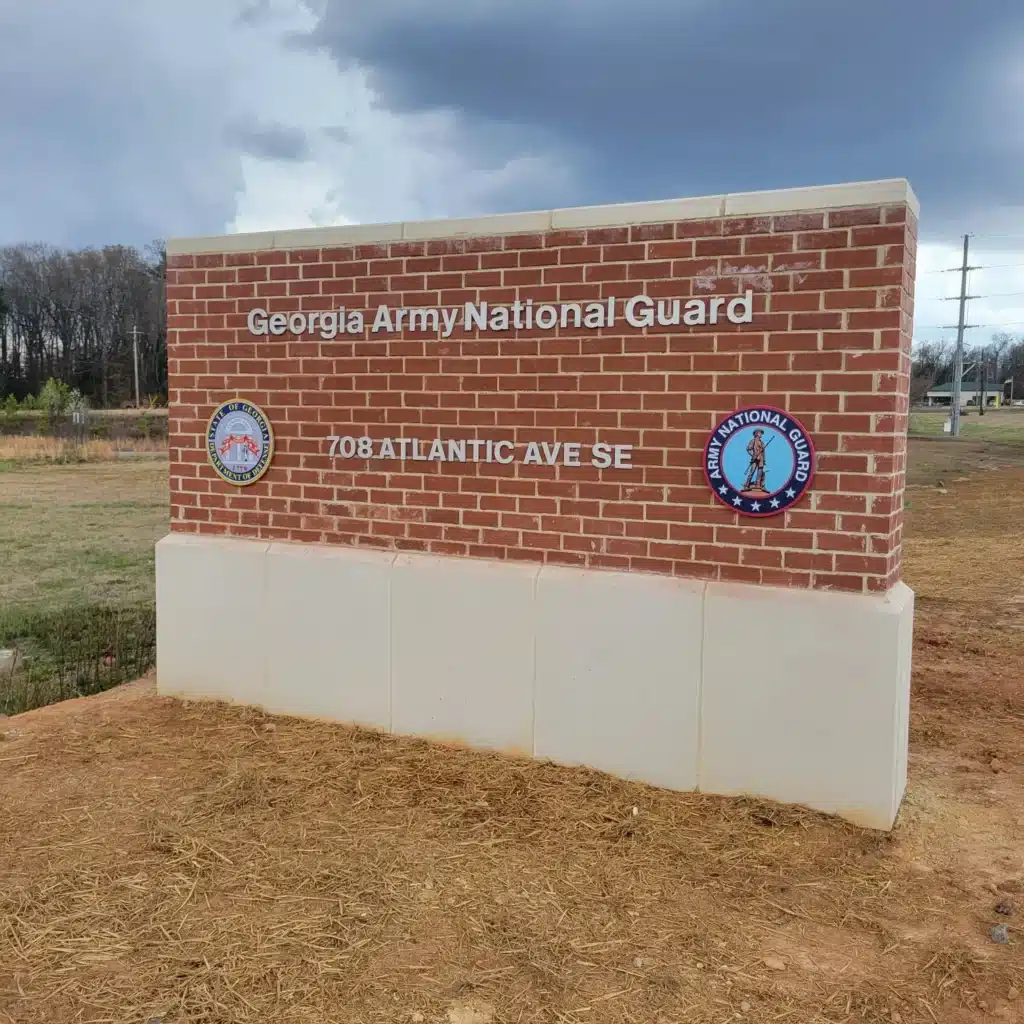
A brick, stone or stucco base with dimensional aluminum or stainless letters mounted to the face. These suit corporate headquarters, churches and schools where the sign should look permanent and match the building.
Internally lit cabinets, halo-lit dimensional letters or ground-mounted lighting so the sign reads after dark. We coordinate power, timers or photocells with your electrician and design the sign so the lighting meets local rules.
Monuments with a property name and replaceable tenant panels, sized so tenant names stay legible. Panels can be changed as tenants come and go without rebuilding the sign, which keeps the property looking managed.
When a property is rebranded or sold, the existing structure can often be reused with new faces, letters or panels. We assess the condition of the base and footing before recommending a reface or a full replacement.
A monument project for a multi-tenant office property usually reads like this on our sign schedule. The site and the ordinance set the final sizes.
| Type | Element | Location | Material | Install |
|---|---|---|---|---|
| MS-01 | Primary entrance monument | Main drive entrance | Masonry base, dimensional aluminum letters | After permit issued |
| MS-02 | Tenant panel monument | Road frontage | Aluminum cabinet, routed tenant panels | After permit issued |
| MS-03 | Secondary entrance ID | Side drive | Post-and-panel, painted aluminum | With primary monument |
| MS-04 | Address numerals | Monument face | Dimensional aluminum, high contrast | With monument |
| MS-05 | Ground lighting | Landscape bed | LED fixtures on timer or photocell | After electrical rough-in |
| MS-06 | Concrete footing | Sign location | Engineered foundation per drawings | After utility locate |
| MS-07 | Old sign removal | Existing location | Demolition and site restoration | Before new install |
One schedule and one point of contact from the first walkthrough to the final punch list.
We review the site, the property's sign rules and any owners association requirements, then deliver a scope that covers design, permitting, fabrication, footing and installation. You get one schedule and one contact, and we handle coordination with the electrician and the permitting office.
Monuments are built from your brand standards, with logo proportions, PMS colors and typefaces matched to the rest of your signage. You see scaled renderings on a photo of your site before anything is built, so you can judge size and placement in context.
We work from your site plan and building materials, suggest a base and finish that tie to the architecture, and provide shop drawings for review. We coordinate placement with landscaping, setbacks and sight-distance requirements so the sign does not block drivers' views.
On new construction, we schedule the monument around site work, paving and landscaping, and coordinate the conduit run and footing with your crews. We aim to have the sign set before the property opens so visitors can find the entrance on day one.
Monument sign cost depends on size, construction and site conditions. A post-and-panel sign costs less than a fabricated aluminum cabinet, and a stone or masonry base with dimensional letters costs more again. Illumination adds lighting components, power and electrical work. The footing, soil conditions, slope, removal of an existing sign, landscaping repair, permit requirements, engineering if the jurisdiction requires it, and the number of signs on the property all affect the total. We visit the site, review the ordinance, then provide a fixed scope and itemized quote.
Yes, permanent freestanding signs generally need a sign permit. If the property is in unincorporated Cobb, the county's Community Development handles sign permits; if it is inside a city such as Kennesaw or Marietta, the city issues it. We confirm the jurisdiction during the site review and prepare the drawings and site plan the application asks for.
Yes. A monument sits on the property owner's land, so tenants need the owner's approval, and many office parks and business centers also have association sign criteria. Owner approval normally comes before the permit application. We prepare drawings that address both sets of rules.
It depends mainly on approvals. Design, owner or association review and the permit come first; fabrication, footing and installation follow. We give you a clear schedule up front based on the jurisdiction and the type of sign, and we update it if the permit review takes longer than expected.
We coordinate both. The footing is built to the sign's drawings after underground utilities are located, which Georgia law requires before mechanized digging. Illuminated signs need power run to the location by a licensed electrician; we work with yours or your general contractor's and schedule around them.
Yes. Multi-tenant monuments carry the property name plus replaceable tenant panels. We size the panels so names stay readable from the road and allowed by the sign ordinance, and panels can be swapped when tenants change without rebuilding the sign.
Often, yes. If the base and footing are sound and the size still meets the ordinance, we can reface the cabinet, replace the letters or add new panels. A reface may still need a permit depending on the jurisdiction. We assess the existing sign and give you both options.
Send the property address, a site plan or survey if you have one, photos of the entrance and any existing sign, your brand guide and logo files, any owners association sign criteria, and your timeline. We follow up with a site visit and a fixed, itemized quote.
Send the floor plans, brand guide and date you're working toward. We'll come back with a scope, a schedule and one point of contact for the whole job.