Kennesaw studio, serving metro Atlanta
After a rebrand, merger or acquisition, we put the new brand on your headquarters, branches, storefronts and fleet on one plan and schedule.
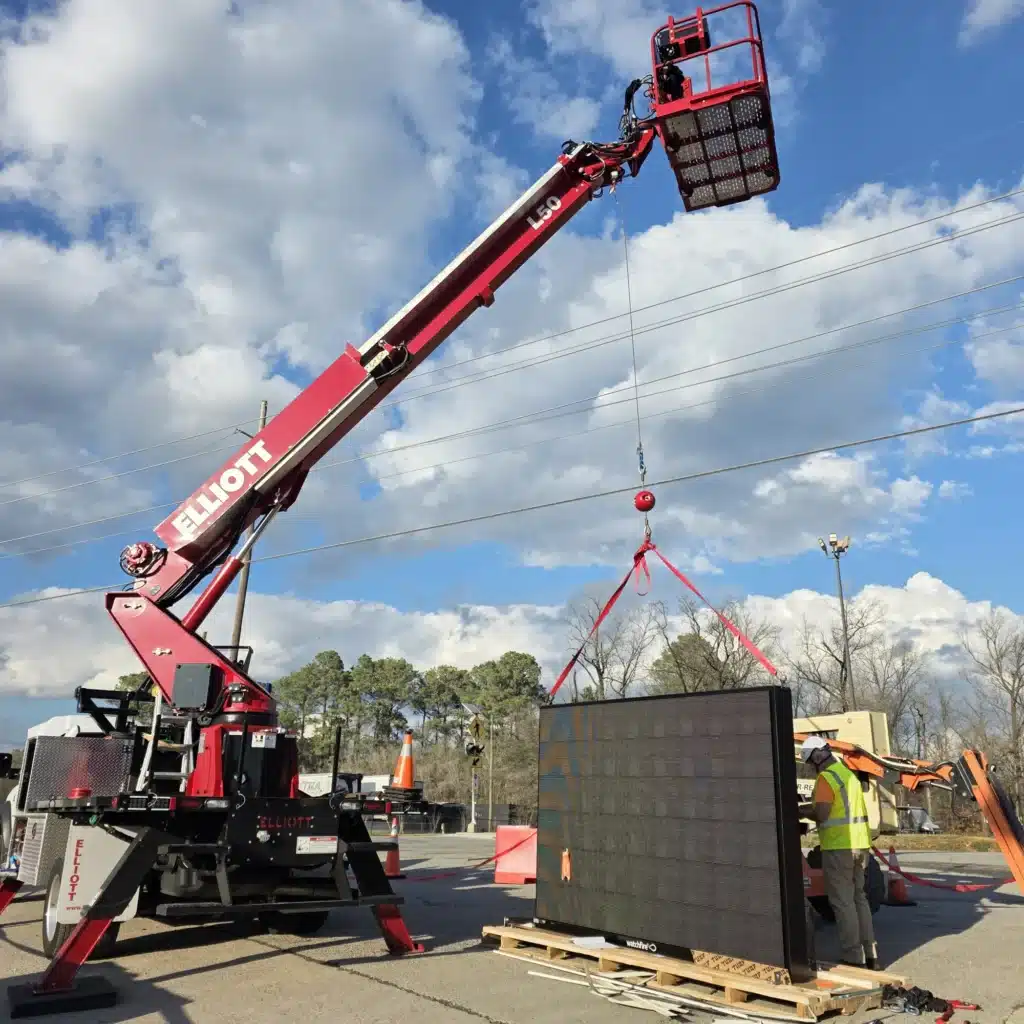
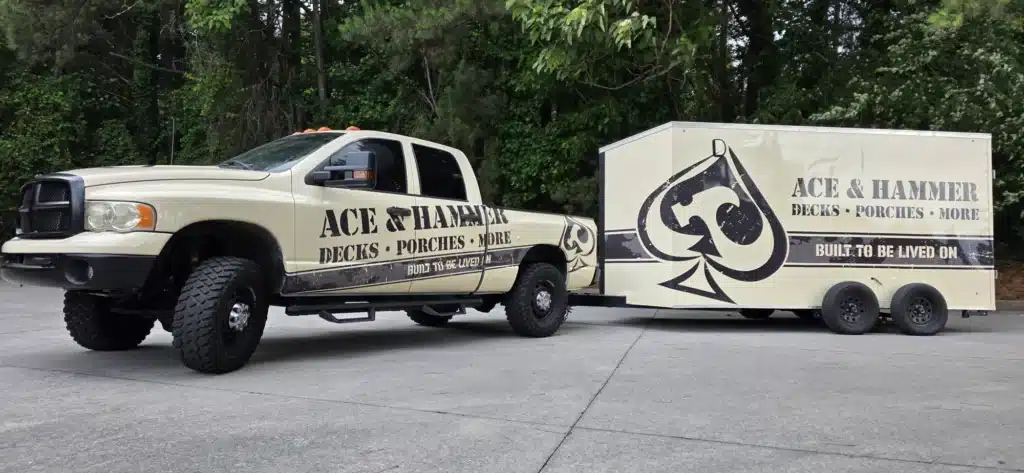
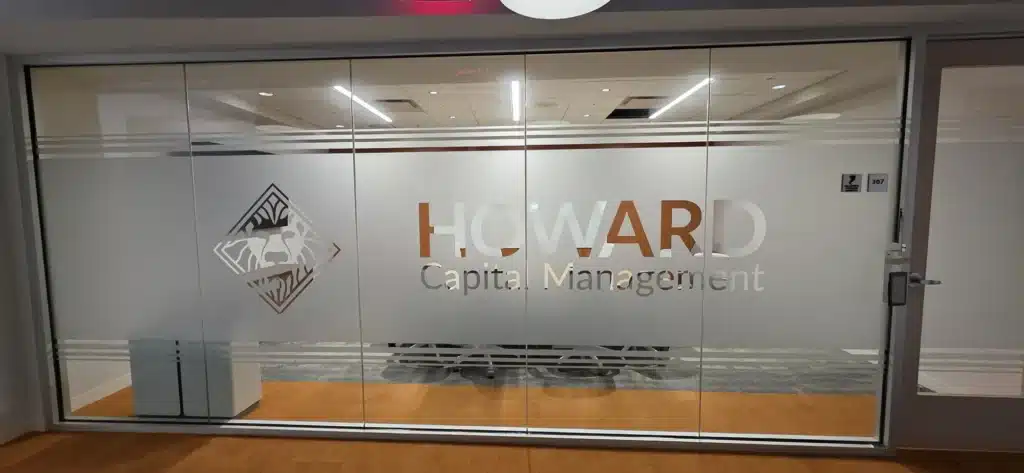
Every photo here is a High Stakes Creative install from the last few years. Drag or swipe to browse, tap any image to view it full size.
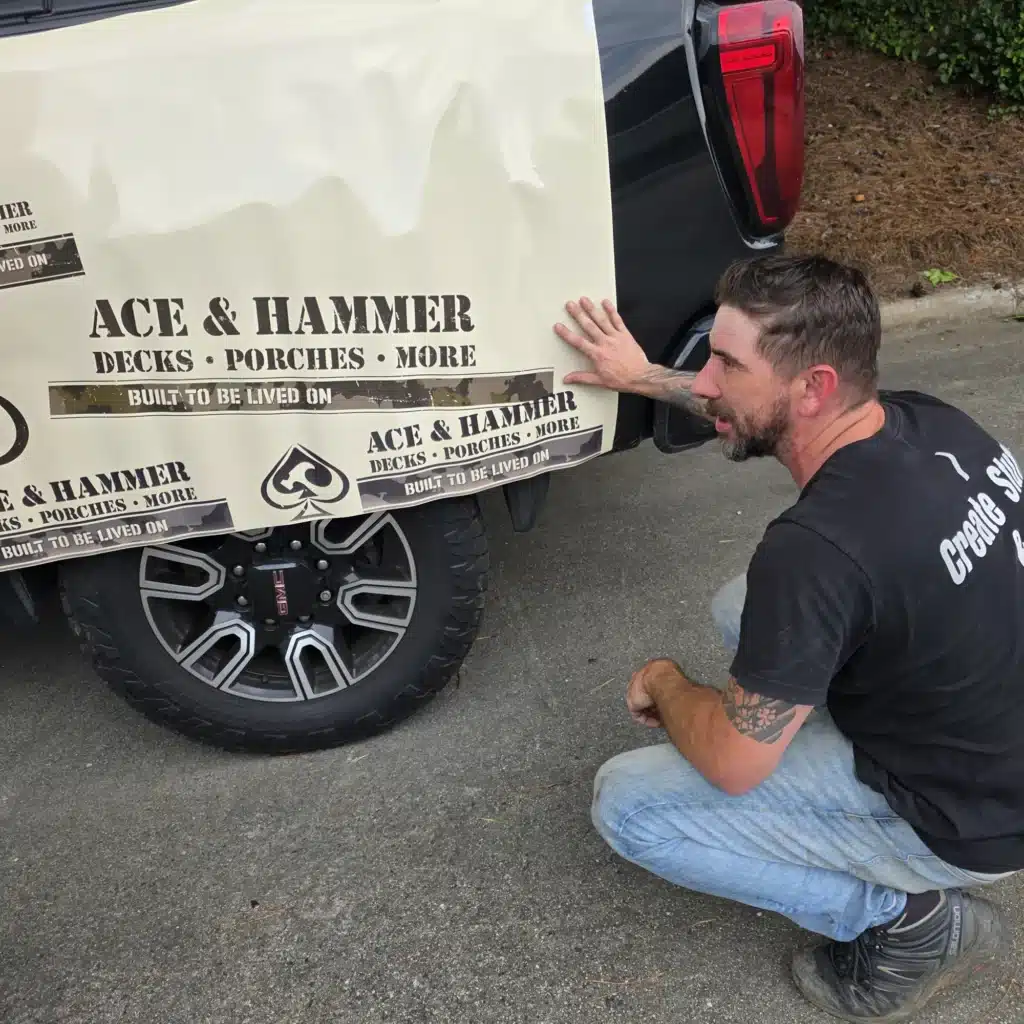
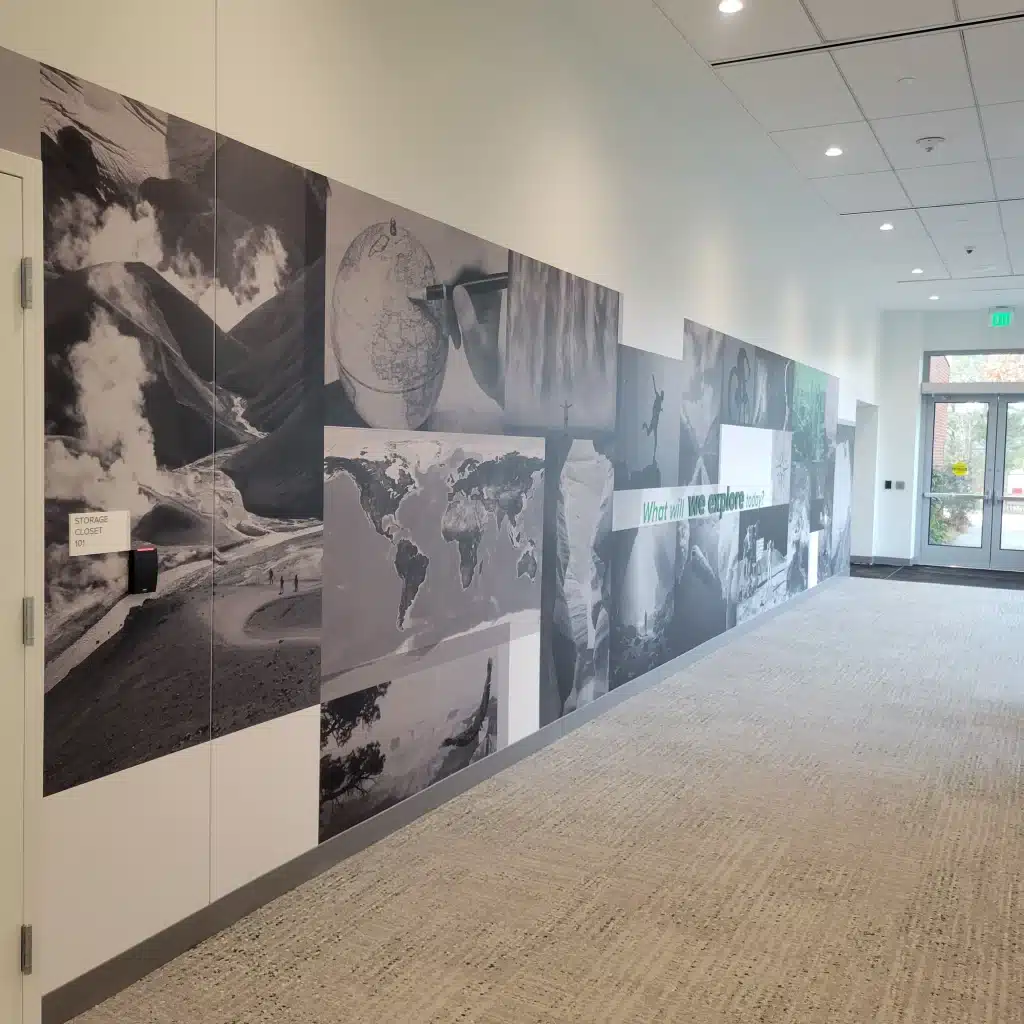
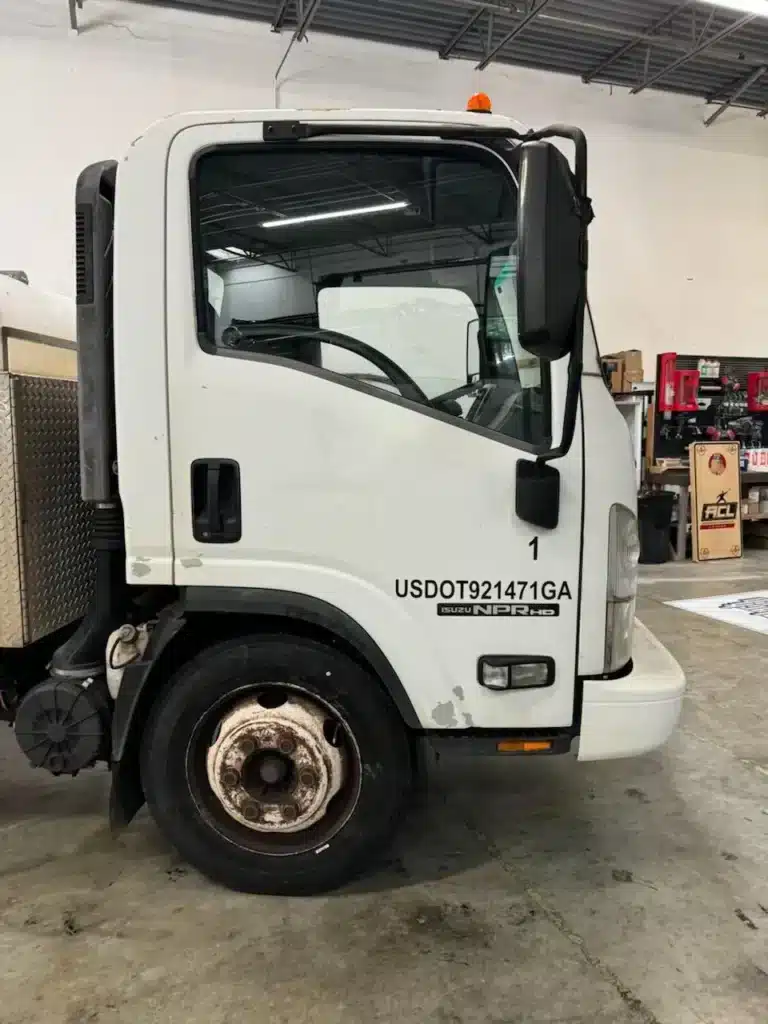
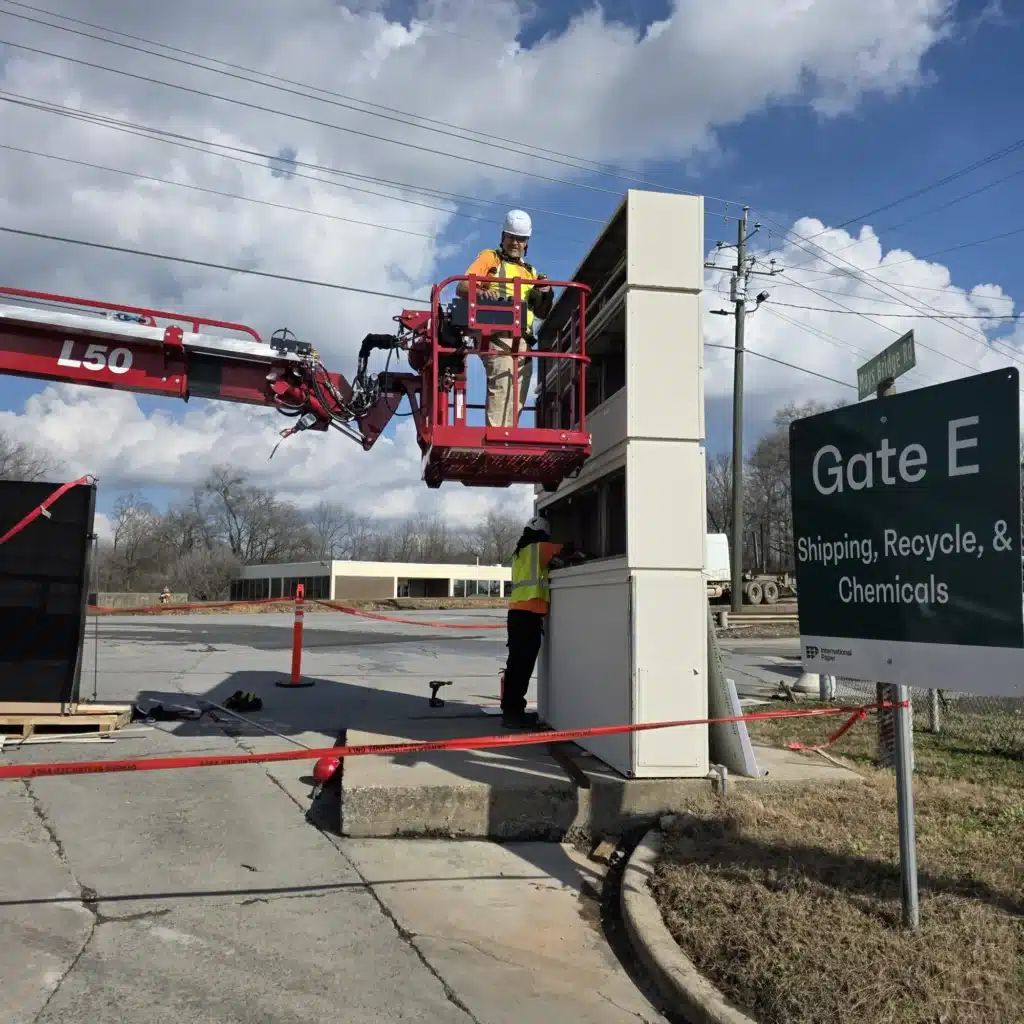
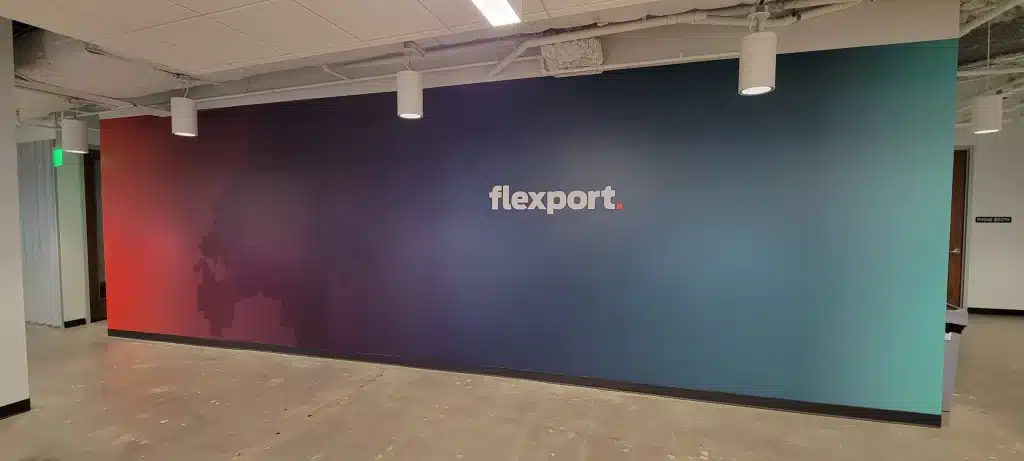
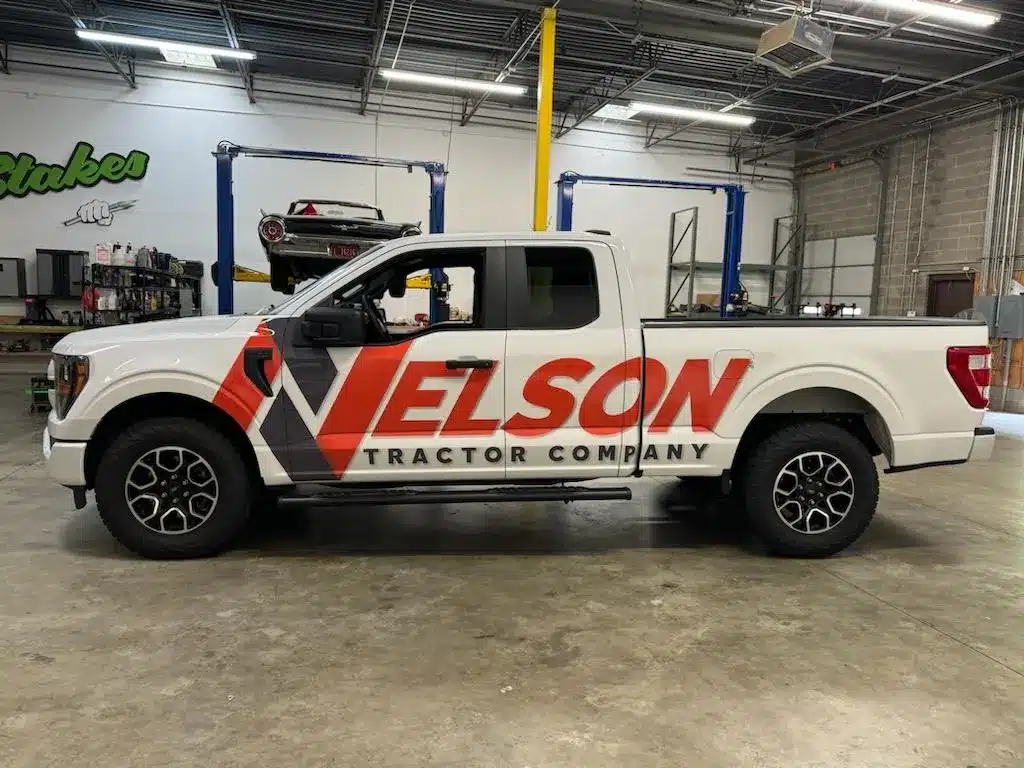
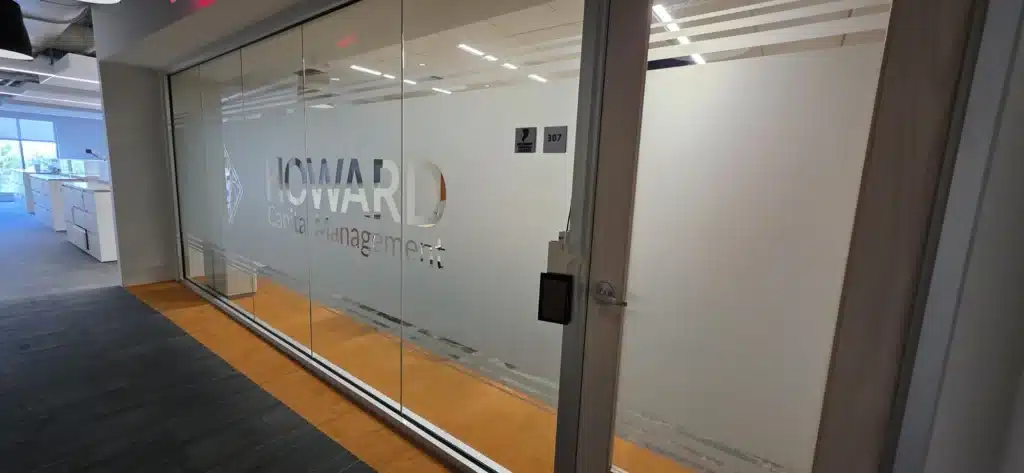
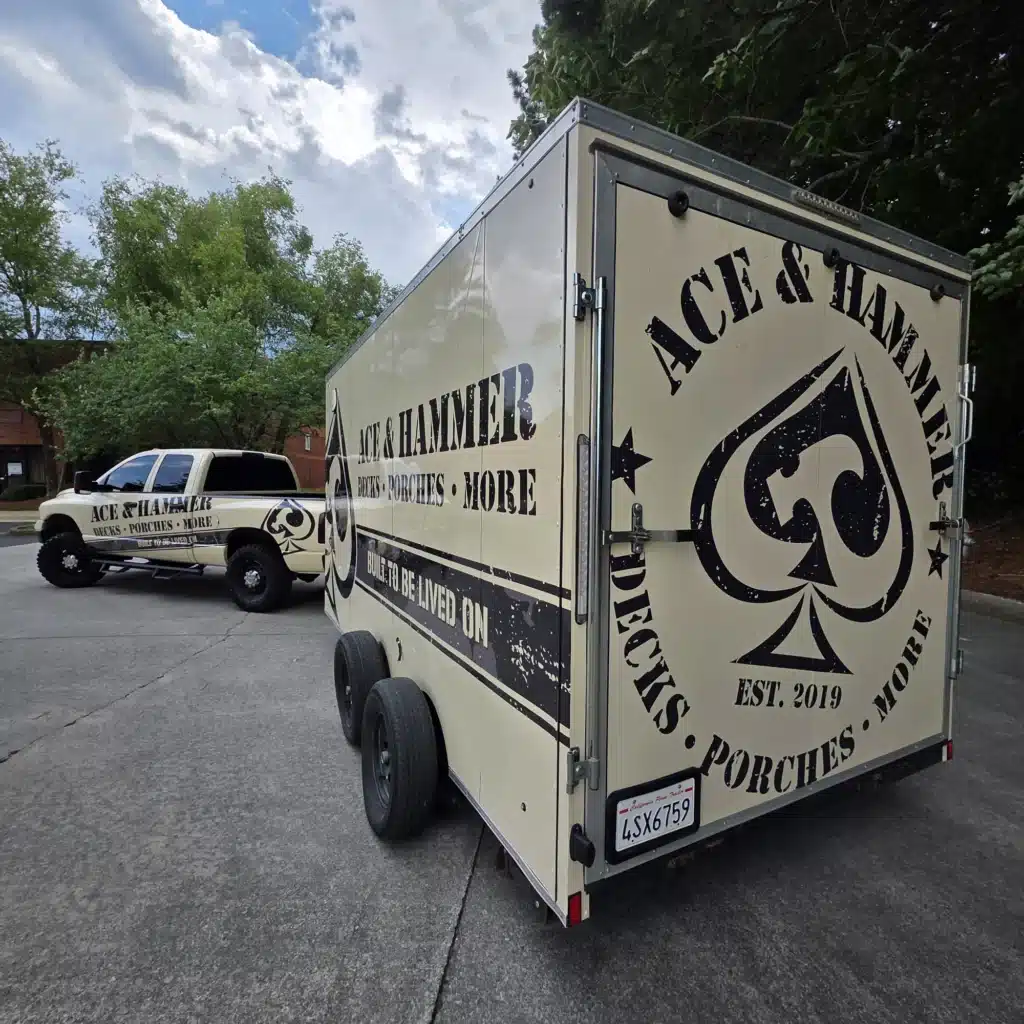
A brand rollout is the physical implementation of a new or updated brand across every location and asset: building and monument signs, lobby and interior graphics, storefronts and vehicles. High Stakes Creative runs rollouts from Kennesaw, starting with site surveys and a sign inventory, then a pilot site and scheduled waves, with permits, landlord approvals, removal and installation coordinated by one team.
The new logo and brand guide are usually finished long before the buildings, trucks and lobbies catch up. The gap is implementation: someone has to find every sign, decal and vehicle carrying the old brand, adapt the new identity to each one, get approvals and permits, and replace it all without disrupting operations.
We take on that work. We survey each location, build an inventory of every existing sign and graphic, and turn the brand guide into production-ready designs for each sign type and site. Then we test the plan on a pilot location before rolling out in waves, so problems are solved once instead of at every site.
Because strategy, design, production and installation sit under one roof, your team deals with one point of contact for the whole program. That matters most after a merger or acquisition, when the new name needs to appear consistently across locations, fleets and staff-facing spaces on a known date.
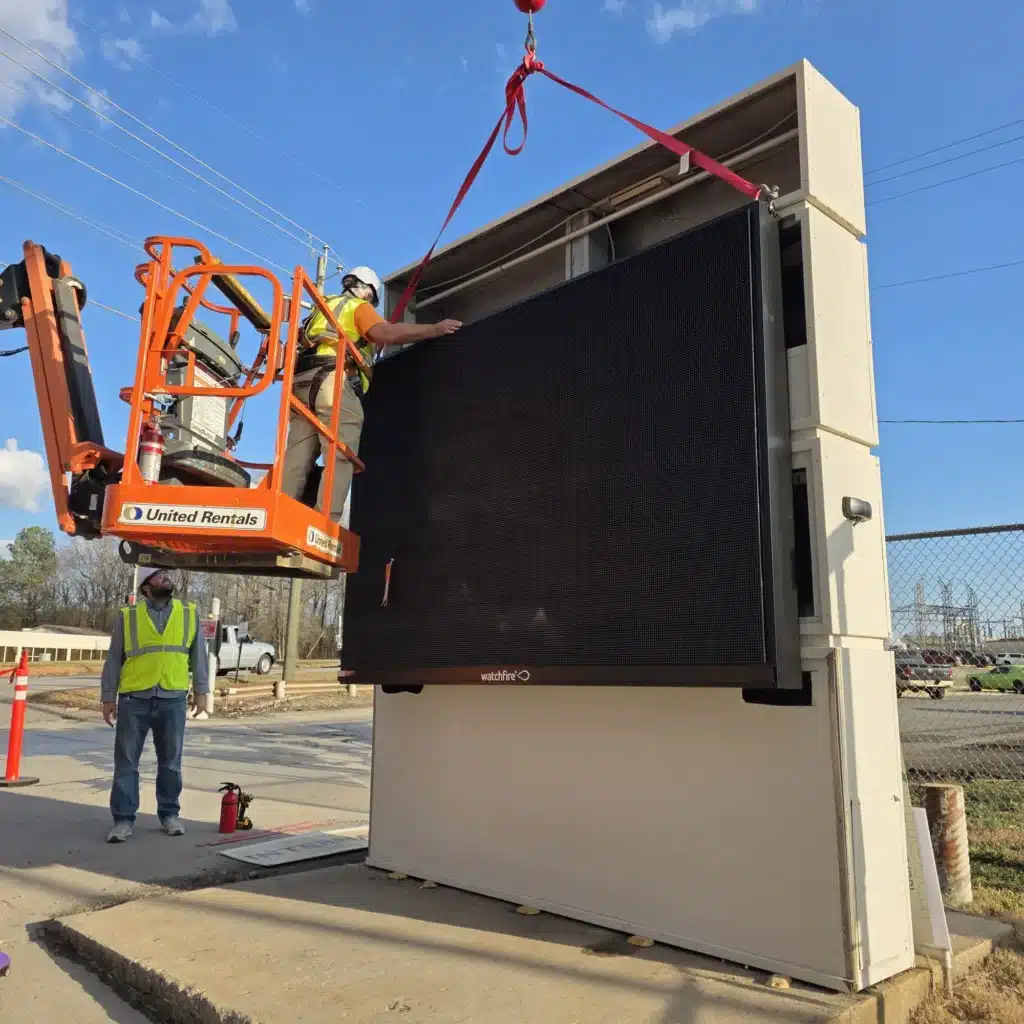
We visit or remotely survey each location to photograph and measure every sign, graphic and vehicle, note mounting and electrical conditions, and record landlord and jurisdiction details. The inventory becomes the master list for quoting and scheduling.
We translate your brand guide into specifications for each sign type: PMS color matches in paint, vinyl and illuminated faces, approved typefaces, logo lockups and clear space. Every location is built to the same specification, so the last site matches the first.
We implement one or a few pilot locations first, review the results with you, then refine the designs, materials and install process before grouping the remaining sites into regional waves on a published schedule.
We prepare drawings and specs for landlord review and for the city or county that issues each sign permit, flag where an existing sign size or type may not be allowed, and track approvals across all locations.
Old signs, graphics and decals come down as new ones go up. We handle removal, patching and repairs of wall or fascia damage, and disposal, so no location is left showing two brands or none at all.
Rollouts usually include vehicles, lobbies and staff areas. We schedule fleet re-wraps in batches to keep trucks on the road, and update reception signs, wall graphics and glass film to match the new brand.
Here is how a rollout across headquarters, branches and fleet usually reads on our master schedule. The site survey sets the actual counts and waves.
| Type | Element | Location | Material | Install |
|---|---|---|---|---|
| RO-01 | Site survey and inventory | All locations | Photos, measurements, conditions report | Program start |
| RO-02 | Sign type designs | Per sign type | Drawings to brand standards | After survey |
| RO-03 | Pilot installation | HQ or flagship site | Full set of new signs and graphics | Pilot phase |
| RO-04 | Exterior building signs | Each location | Channel letters or refaced cabinets | By wave, after permits |
| RO-05 | Monument refaces | Sites with monuments | New faces, letters or panels | By wave |
| RO-06 | Lobby and interior graphics | Each location | Dimensional logo, wall and glass graphics | By wave |
| RO-07 | Fleet re-wraps | Vehicle batches | 3M or Avery Dennison wrap films | Rolling batches |
| RO-08 | Old signage removal | Each location | Removal, patch and disposal | Same visit as install |
One schedule and one point of contact from the first walkthrough to the final punch list.
You get a master schedule, a location-by-location status report and one point of contact for the whole program. We coordinate with each site's manager and landlord, schedule installs around business hours where needed, and keep every location open and identifiable throughout the change.
We protect the brand standards you worked hard to build. Every sign type is drawn to your guide, PMS colors are matched on each material and approved from physical samples, and the pilot site gives you a real-world check before anything is replicated across locations.
If your agency created the new identity, we turn it into buildable sign designs and shop drawings and return any production questions to them. If an architect is handling a flagship renovation, we fabricate to their design intent and match it at the other sites.
Where a rollout overlaps with renovations or new locations, we work as the signage sub on those projects and coordinate blocking, power and schedules. For landlords, we submit drawings that meet each property's sign criteria and remove old signs cleanly.
Rollout cost is driven by the number of locations and the number and type of signs and vehicles at each one. Replacing illuminated building signs and monuments costs more than refacing existing structures. Travel distance, site access, lifts, after-hours installs, landlord and permit requirements, removal and wall or fascia repair, and fleet size all affect the total. A pilot site gives the most accurate cost per location. We start with the survey and inventory, then provide a fixed scope and itemized quote by location and wave.
It depends on how many locations, sign types and vehicles are involved and on how long approvals take. Surveys and a pilot come first, then locations are grouped into waves. Landlord approval usually has to come before a permit application, so we build both into the schedule. You get a clear schedule up front and regular status updates.
Start with an inventory of every sign, graphic and vehicle carrying either legacy brand, then decide which locations change first. We survey the sites, design each sign type to the new standards, implement a pilot location, and roll out the rest in waves while removing old signs on the same visit.
Yes. We specify each sign type from your brand guide, match PMS colors to the paints, films and illuminated faces we use, and approve physical samples with you. Because we produce and install the work ourselves, the same specifications are used at every site.
Usually both. Most leases require landlord approval for exterior signs, and permanent exterior signs generally need a permit from the city or county where each location sits. We prepare the drawings for each landlord and jurisdiction, flag sites where rules may require a different sign, and track approvals.
We remove them, patch fastener holes and repair wall or fascia damage, and dispose of the materials. Where an existing monument or cabinet is in good shape, we may reface it instead of replacing it. Removal is scheduled on the same visit as the new install so locations are never left unbranded.
Yes. We design the fleet graphics to the new brand, then re-wrap vehicles in batches so enough trucks stay in service. Old graphics are removed first. A standard vehicle wrap installs in one to three days, and eligible 3M graphics can carry the 3M MCS Warranty.
Send a list of locations with addresses, your new brand guide and logo files, photos of existing signs at a few representative sites, fleet counts by vehicle type, any landlord sign criteria you have, and your target launch date. We follow up with a survey plan and a fixed, itemized quote by location and wave.
Send the floor plans, brand guide and date you're working toward. We'll come back with a scope, a schedule and one point of contact for the whole job.